Porto, Granite, Tile and Port

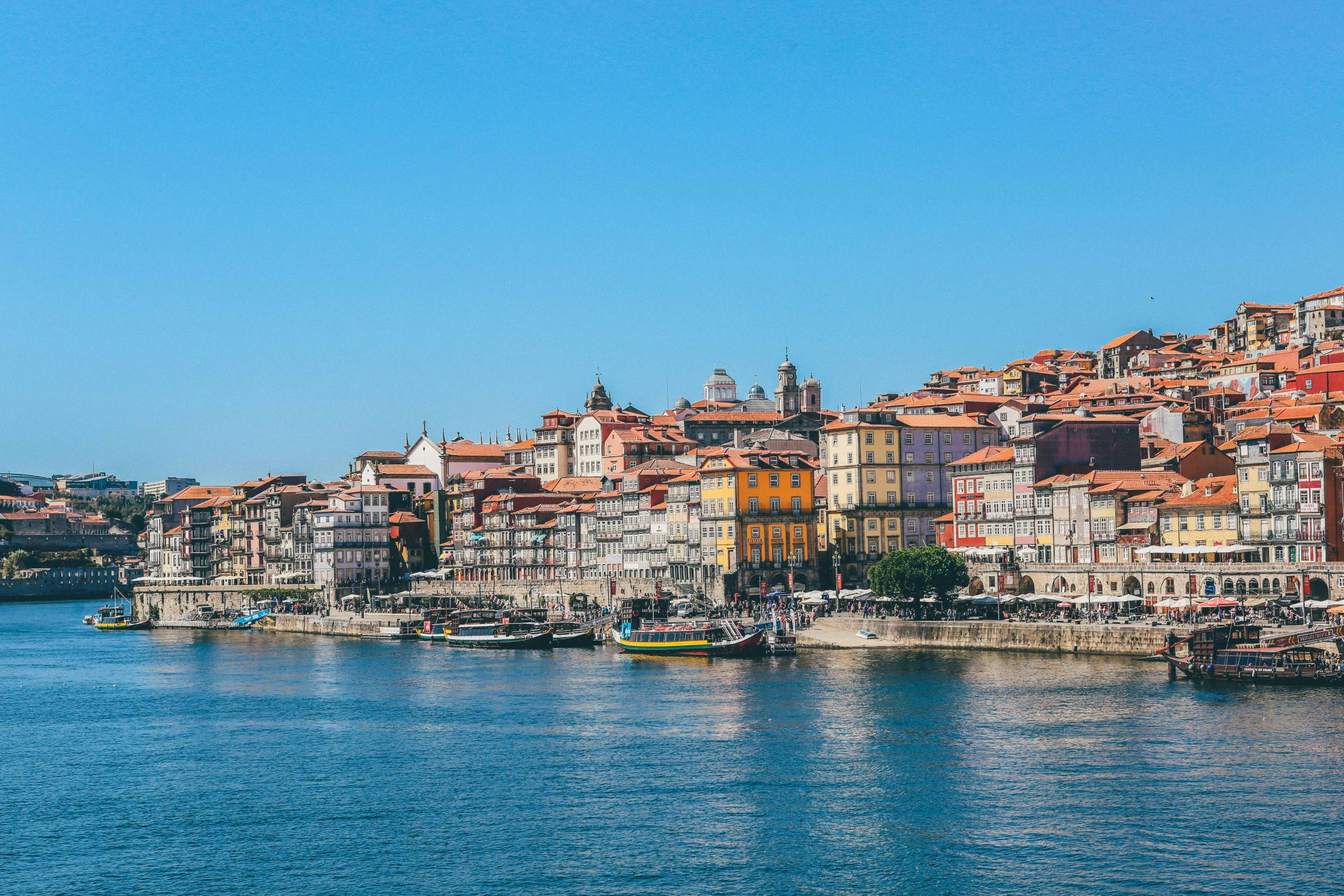
Porto is Portugal's second-largest city, built on granite slopes where the Douro River reaches the Atlantic. Its Roman-era name, Portus Cale, later gave the country its name. The historic centre, including the riverside Ribeira, has been a UNESCO World Heritage site since 1996. Port wine is made from grapes grown about 100 km upriver in the Douro Valley, one of the first demarcated wine regions in the world (1756), and aged in cellars across the river in Vila Nova de Gaia. The iron Dom Luís I Bridge, opened in 1886, links the two banks. Trains from Lisbon take about three hours.

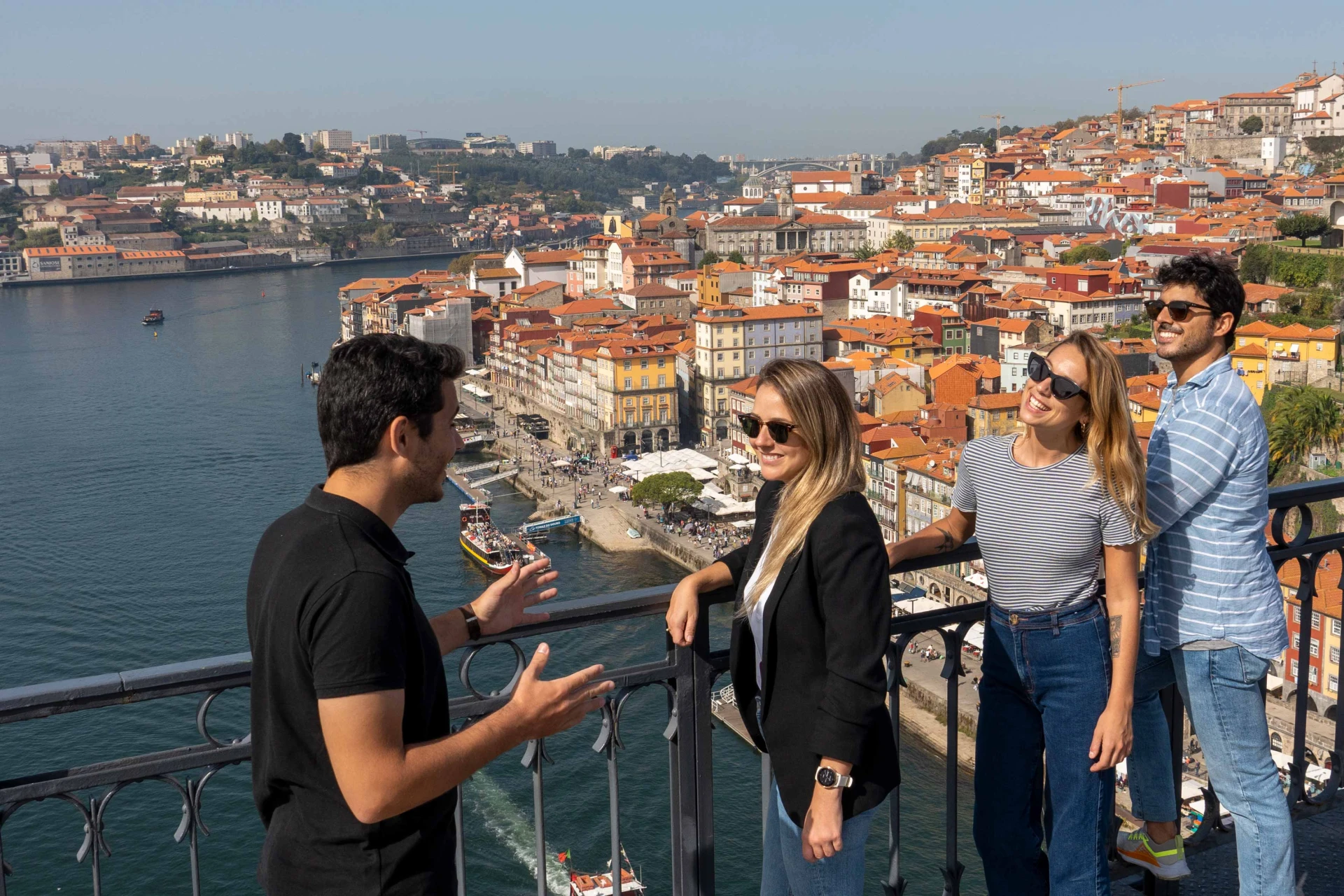
Porto runs downhill. The cathedral, São Bento station and the Clérigos Tower stand in the upper town, the Ribeira sits at the water, and the port cellars are on the opposite bank in Gaia. A Porto guide orders the day so you walk down rather than up, crossing the upper deck of the Dom Luís I Bridge and taking the cable car to the Gaia riverfront. Along the way you learn why São Bento's tiles show battles and harvests, and why people from Porto still call themselves tripeiros.
Porto, Your Way

The city fits into half a day, while the Douro Valley needs a full one, and the formats are split the same way. Small group tours run daily: a four-hour walk with entry to Livraria Lello, the Gaia cable car and a Douro river cruise, or a morning of tastings from the Bolhão market to a port cellar. Private tours are for your party only, from a helicopter flight over the river to a day in the Douro with a winery lunch. The 2-day trip from Lisbon stops in Óbidos and Nazaré and includes a night in Porto. For other dates or routes, a tailor-made tour is planned from scratch.

Livraria Lello, Gaia and the River

The private Lello walk takes four hours. You enter Livraria Lello, opened in 1906, with a Gold ticket that includes a book from its own collection. The walk then crosses to Gaia, and the cable car takes you down to the riverfront. You finish on a cruise under Porto's six bridges, shared with other passengers. If you only have one day in the city, this covers the upper town, the bridge and the river in a single morning.

Porto Traditions & Culture

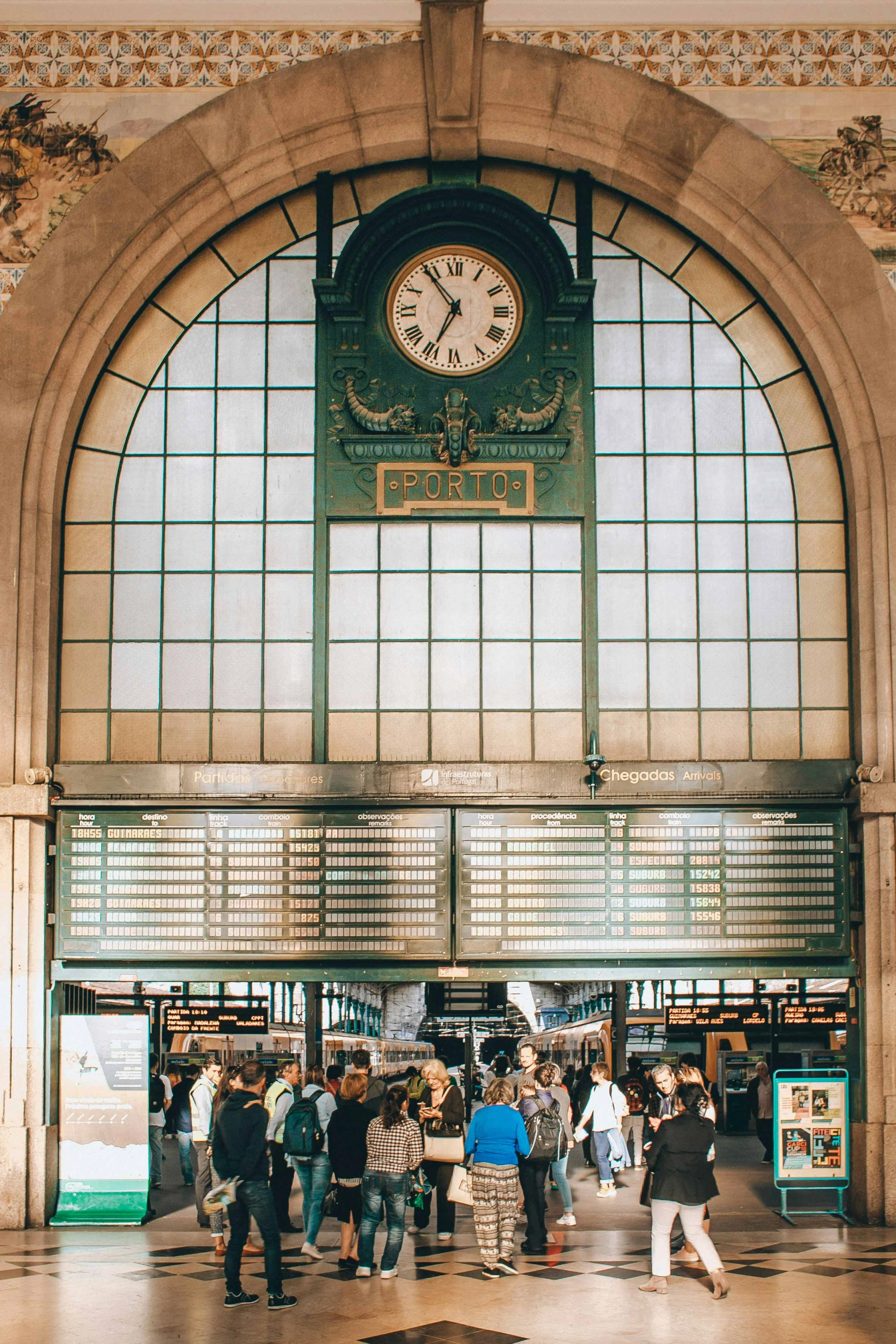
Blue-and-white azulejos cover church fronts across the city, and around 20,000 of them line the entrance hall of São Bento station with scenes from Portuguese history. The nickname tripeiros goes back to 1415, when Porto is said to have sent its meat to Henry the Navigator's fleet and kept the tripe for itself. On the night of 23 June, during São João, the streets fill with grilled sardines and people tapping each other on the head with plastic hammers.

Porto Food & Wine

The francesinha is a meat-filled sandwich covered in melted cheese and beer sauce, and tripas à moda do Porto still appear on tasca menus. At the Mercado do Bolhão, the Porto food tour starts with a tasting of tinned fish (conservas) and ends in a Gaia cellar, where you learn the difference between ruby, tawny and white port. To see where the grapes grow, the Douro Valley day trip combines a boat ride, a winery lunch and a guided tasting.

Frequently Asked Questions
  • Is Porto worth visiting?
    Yes. In one city you get a UNESCO-listed old town, the cellars where port wine is aged, and the Douro Valley vineyards within a day trip. The centre is small enough to cover on foot, and Livraria Lello and São Bento station are a ten-minute walk apart.
  • Which tours can you book in Porto?
    Small group tours with Livraria Lello entry, the Gaia cable car and a river cruise, or a food tour from the Bolhão market to a port cellar. Private tours, such as the Lello walk with a Gold ticket, a helicopter flight with a walking tour, or a full day in the Douro Valley. A 2-day trip from Lisbon with a night in Porto. And tailor-made tours.
  • How long should you stay in Porto?
    Two days for the city: one for the upper town and the Ribeira, and one for Gaia, its cellars and the river. Add a third day if you want to see the Douro Valley.
  • What is the best month to visit Porto?
    May, June, September and October bring mild weather and fewer queues at Livraria Lello. Around 23 June, São João fills the city. In September and early October, the grape harvest is under way in the Douro. Winter is cooler and rainier.
  • How do you get to Porto?
    Francisco Sá Carneiro Airport (OPO) is north of the city and connected to the centre by metro line E. From Lisbon, trains to Porto Campanhã take about three hours.
Scroll to topScroll to top