Lisbon, Seven Hills on the Tagus
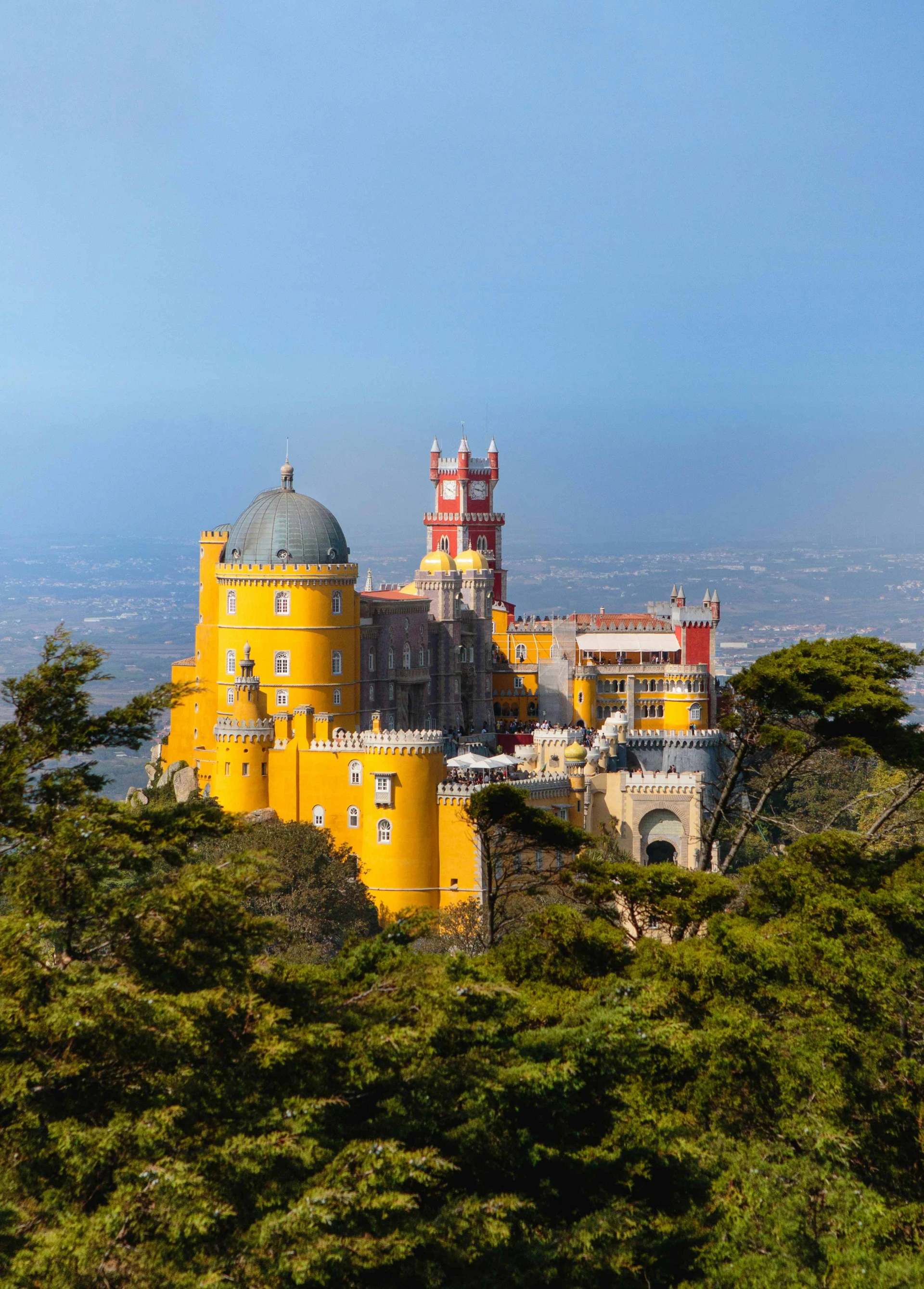
Lisbon is the capital of Portugal, built on seven hills where the Tagus River opens into the Atlantic. Roman Olisipo and then a Moorish city until 1147, it became the base for Portugal's sea voyages: Vasco da Gama sailed from Belém in 1497, and the Jerónimos Monastery and Belém Tower, both UNESCO World Heritage sites, were funded by the spice trade that followed. The 1755 earthquake destroyed most of the lower town, which was rebuilt as the street grid of the Baixa. Fado, sung in Alfama since the 19th century, is on UNESCO's intangible heritage list. Sintra is about 40 minutes away by car, and Porto around three hours north by train.
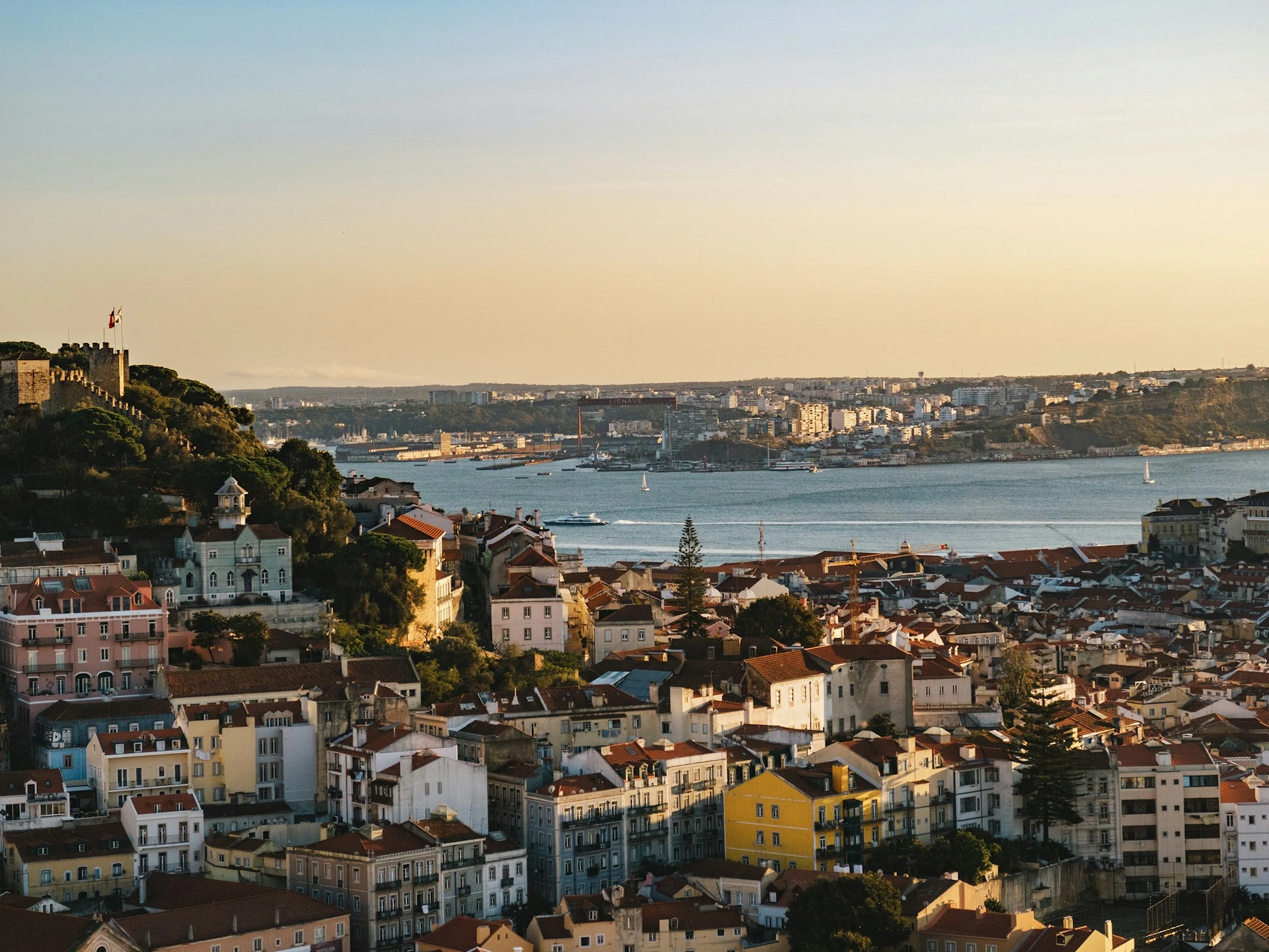
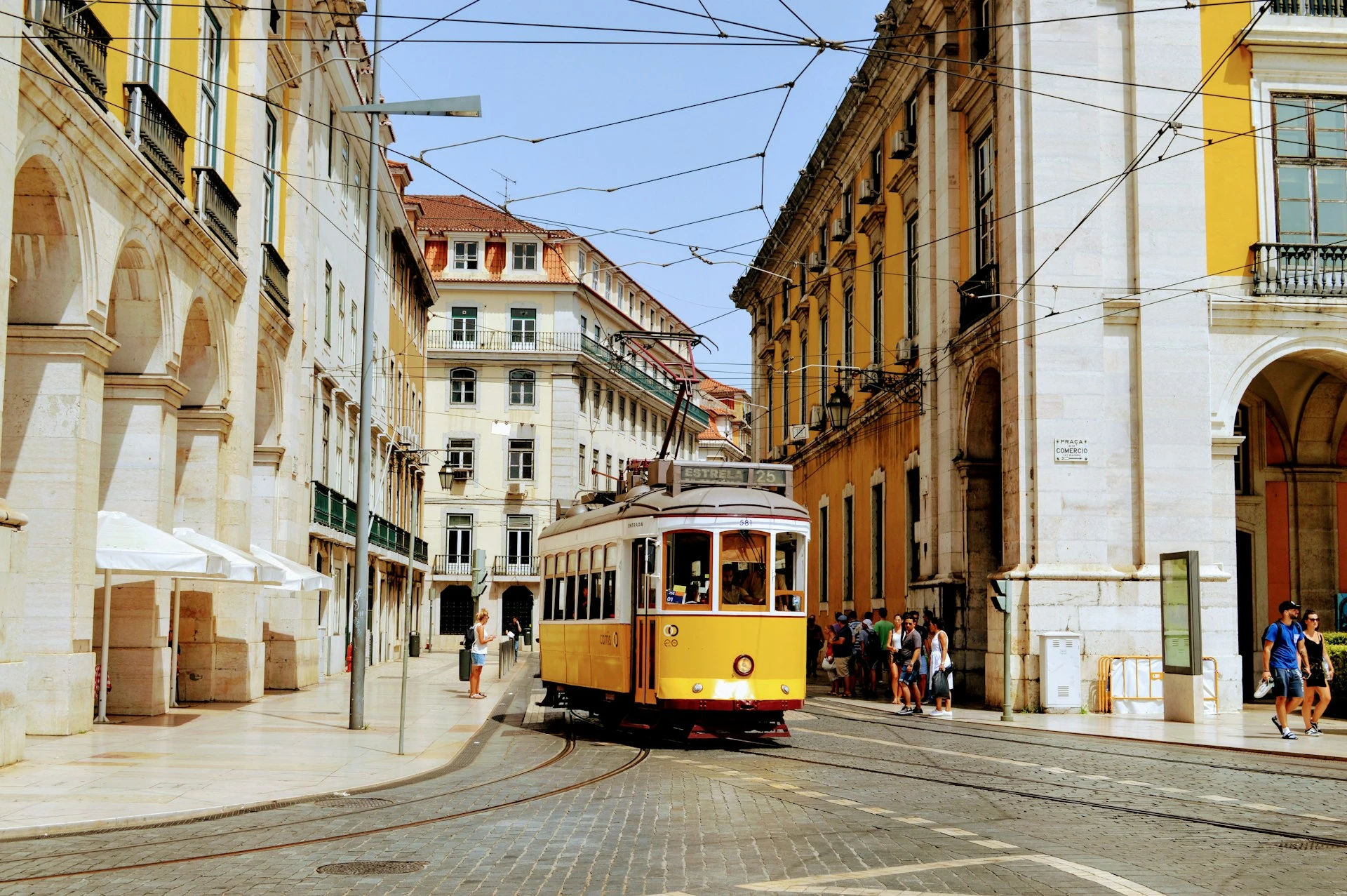
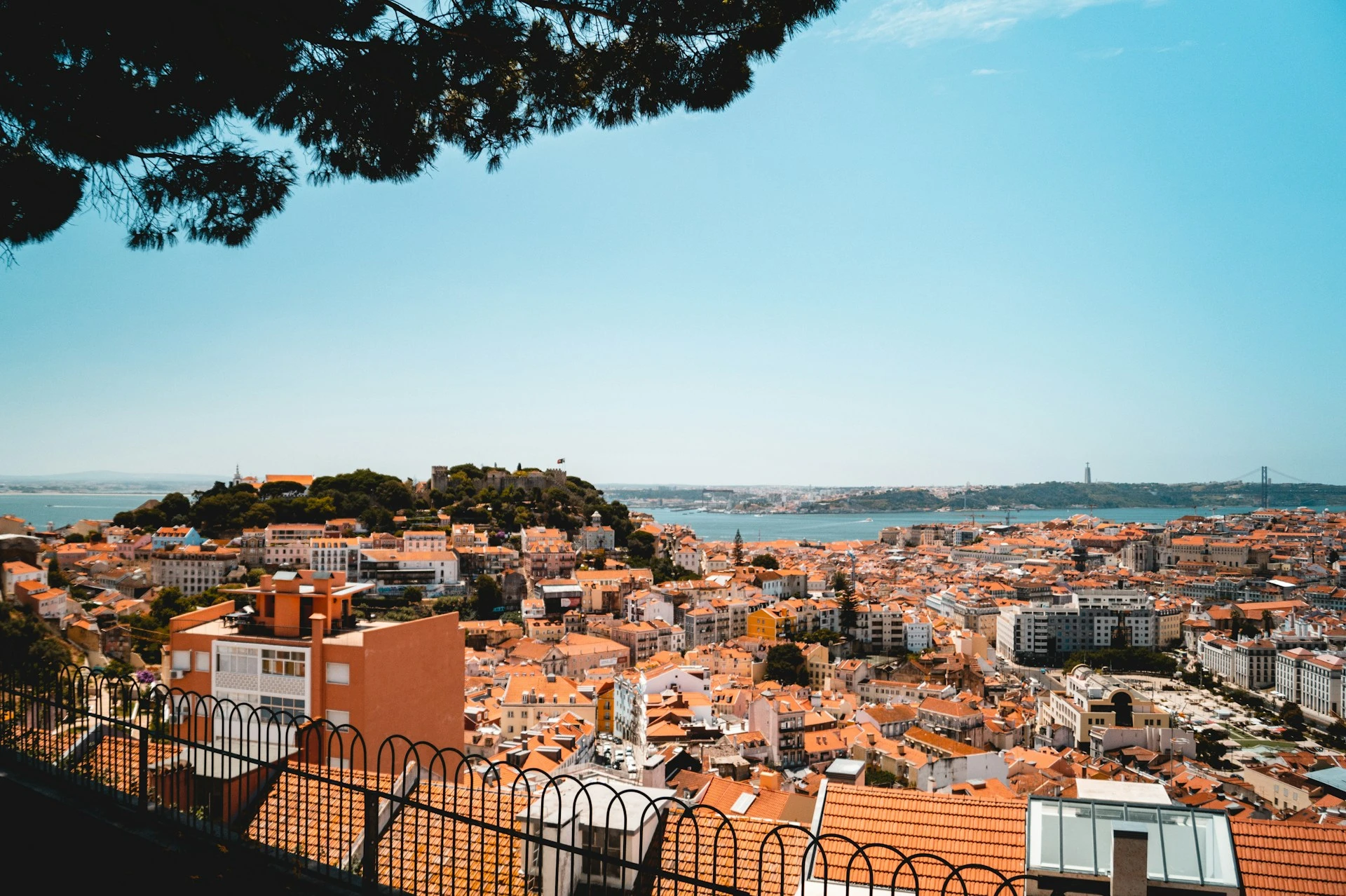
On a map, Lisbon looks small. On foot, it's steep: the old city spreads over hills linked by stairways, trams and street elevators. A local guide plans the order, so the climbs come early and the viewpoints come in good light. Along the way, your guide explains what the streets alone don't, like why Alfama's lanes still twist around the castle hill while the Baixa below runs in straight lines. The day is built around what you came for: the maritime history, the food, or a morning in Sintra.