Madrid, Built Around the Court

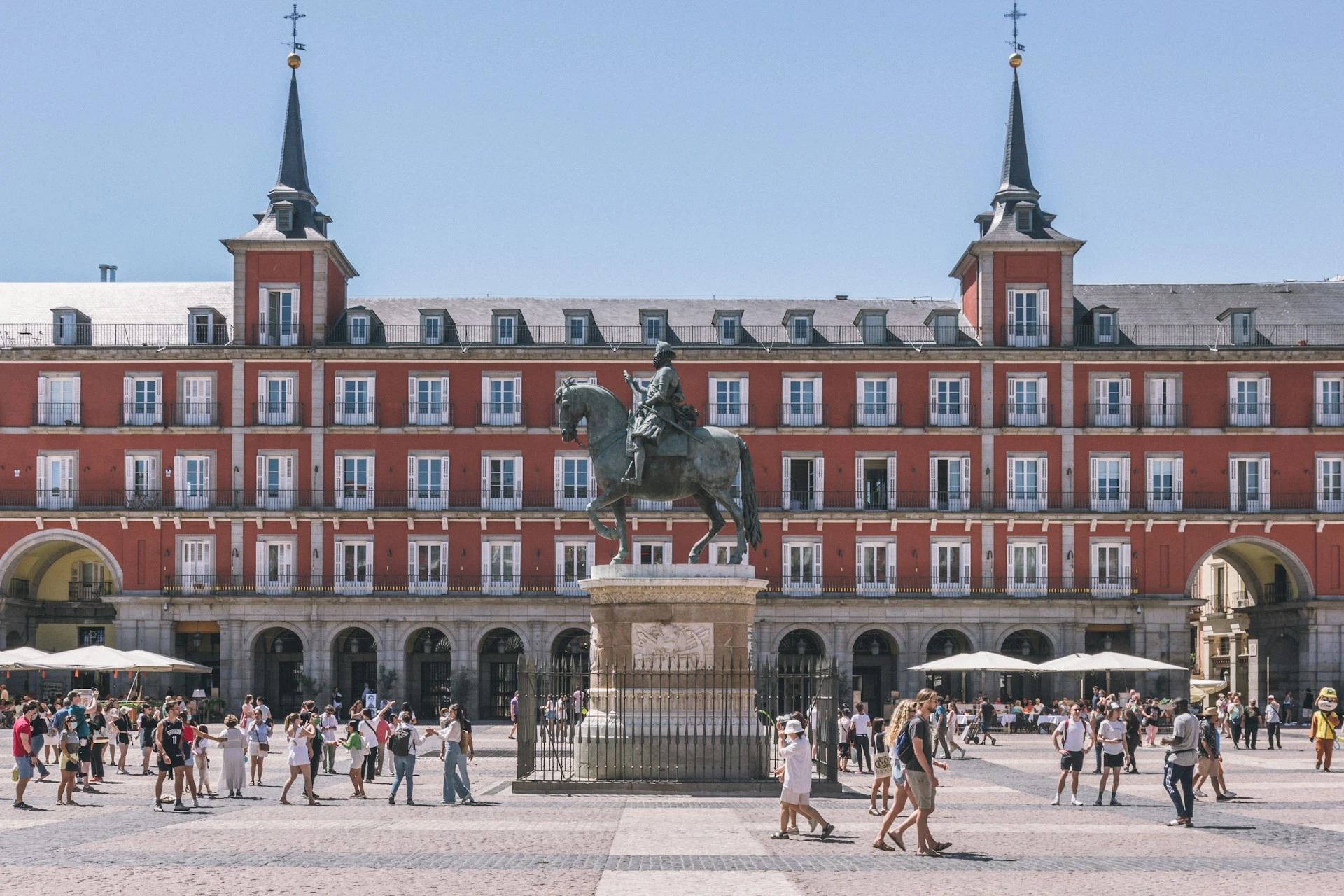
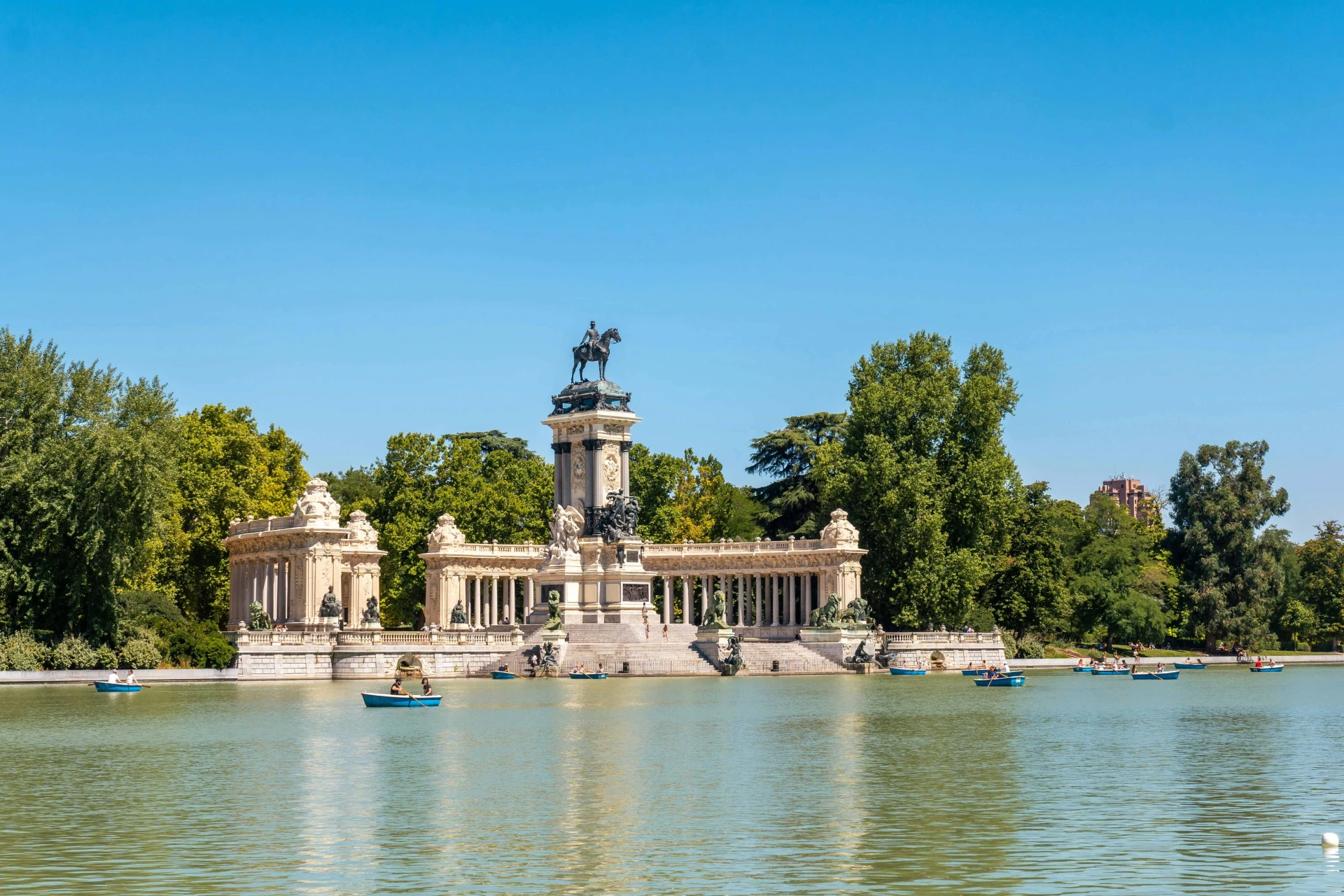
Madrid has been Spain's capital since 1561, when Felipe II moved the royal court here from Toledo. The city grew around that court. The Habsburgs left Plaza Mayor and the lanes of Madrid de los Austrias; the Bourbons built the Royal Palace and laid out the Paseo del Prado, where the Prado, Reina Sofía and Thyssen-Bornemisza museums stand a short walk apart. In 2021, UNESCO listed the Paseo del Prado and Retiro Park as a World Heritage Site. Madrid-Barajas Airport has direct flights from major US cities, and AVE high-speed trains reach Barcelona and Seville in about two and a half hours.

Reading that history is a guide's work. World Experience operates only in Spain and Portugal, and in Madrid our guides lead private and small group tours across the city: the Royal Palace, Velázquez's Las Meninas at the Prado, the tapas bars of La Latina after dark. Toledo and Segovia are around half an hour away by high-speed train, close enough for a day trip. You leave knowing which court built which part of the city.
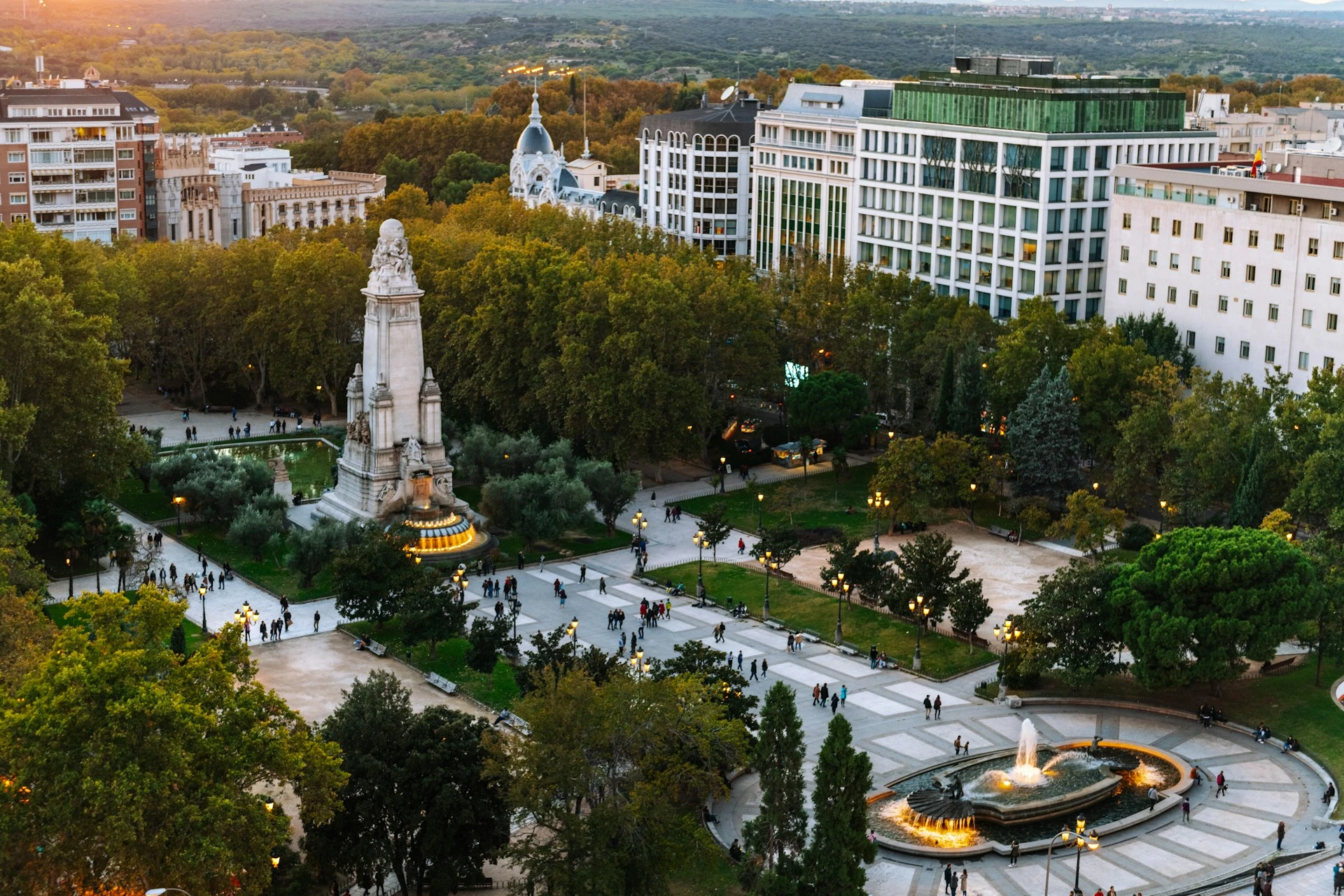
Madrid, Your Way

Four ways to see the city, depending on how much of it you want to shape. Small group tours run on set dates with other travelers. Private tours follow an established route on your schedule, with a guide for your party alone. Multi-day packages handle hotels and transfers; the 9-Day Best of Spain From Madrid continues through Córdoba, Granada, Seville and Barcelona. Tailor-made itineraries start from a blank page.

Whatever the format, your guide shifts the emphasis toward what you came for: the paintings of the Golden Triangle, the Habsburg and Bourbon city, or a day in Toledo or Segovia.

The Royal Palace and Old Madrid

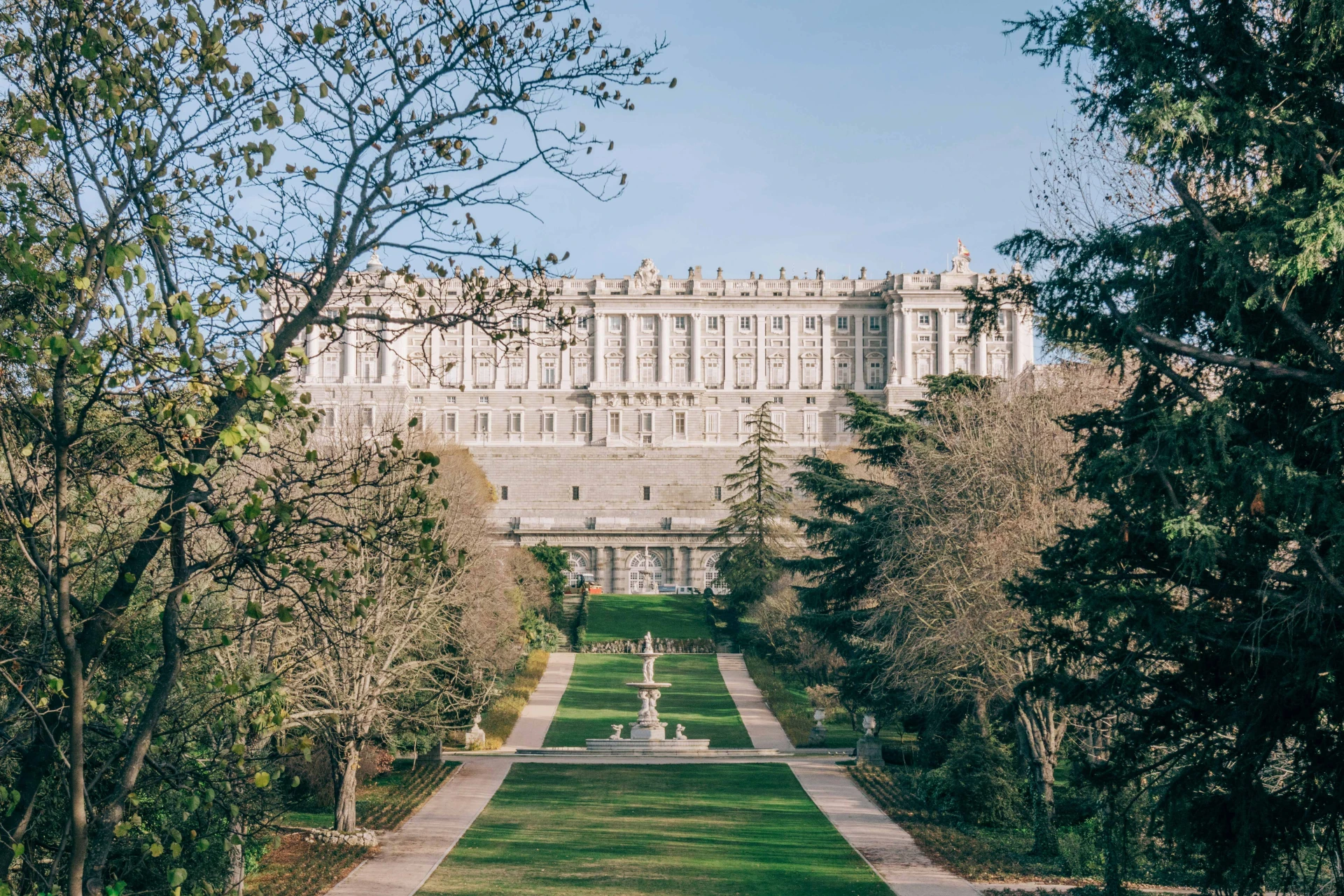
The private Royal Palace walk starts with skip-the-line entry to the palace, more than 3,000 rooms and still the Crown's official residence, continues through the Royal Collections Gallery, and ends in Madrid de los Austrias, the Habsburg city around Plaza Mayor. Then the Paseo del Prado, where the Prado holds Velázquez's Las Meninas and Goya's Black Paintings, and Retiro Park beyond it.

Madrid Traditions & Culture

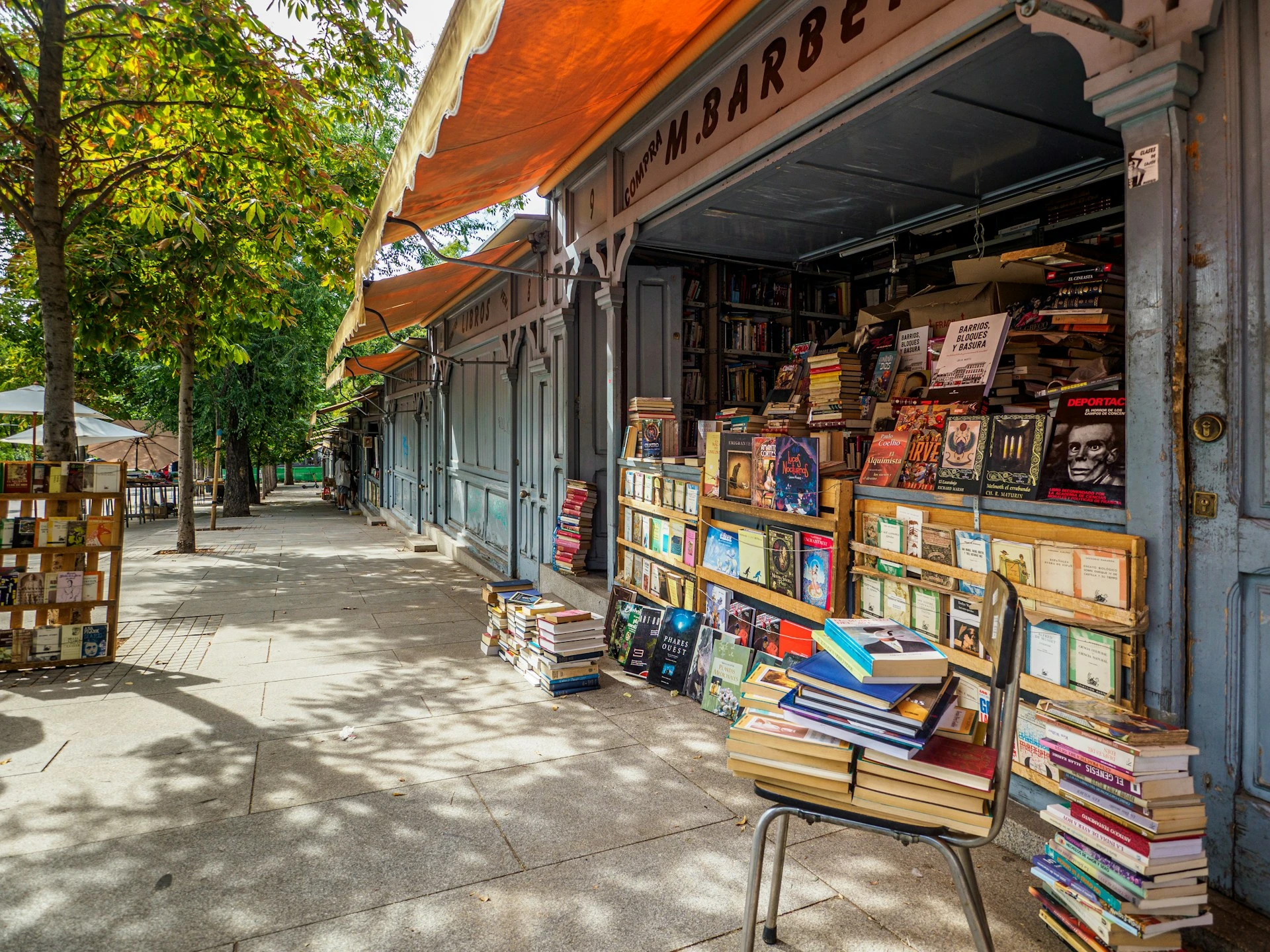
Flamenco, recognized by UNESCO in 2010, plays in Madrid's tablaos every night, and a tapas walk can end at one. On Sundays, El Rastro fills the streets of La Latina. In the Barrio de las Letras, lines from Cervantes and Lope de Vega are set into the pavement, and century-old shops still sell capes, fans and espadrilles. Come in mid-May for San Isidro, the city's patron-saint festival.

Madrid Food & Wine

Madrid eats late and in rounds. Start with cocido madrileño, a bocadillo de calamares near Plaza Mayor and vermouth on tap, then Mercado de San Miguel, the iron-and-glass market opened in 1916. Botín, open since 1725, is recognized by Guinness as the world's oldest restaurant still operating. Pair the day with wines from D.O. Madrid or Ribera del Duero, and, if you'd like, dinner at one of Madrid's Michelin-starred restaurants.

Frequently Asked Questions


  • Why should I visit Madrid?

Madrid has been Spain's capital since 1561, and it shows: a Habsburg-era old town, the Bourbon Royal Palace, and three of Europe's major art museums on a single UNESCO-listed boulevard, the Paseo del Prado. Add a late-night food culture and high-speed trains to Toledo, Segovia, Seville and Barcelona, and it's the most practical starting point for a trip through Spain.


  • What's the difference between small group, private, package, and tailor-made tours in Madrid?

Small group tours follow a set itinerary and date, shared with a limited number of other travelers. Private tours cover similar ground on your own schedule, with a guide exclusively for your party. Package tours combine touring with hotels, transport, or multi-day logistics already arranged. Tailor-made itineraries are built from scratch around what you specifically want to see, at your own pace. All four are led by a guide with deep local knowledge; the difference is in flexibility, schedule, and who you're touring with.


  • How many days do you need in Madrid?

Two to three days cover the city itself: the Royal Palace, the Prado, the old town and Retiro Park. Add a day for Toledo or Segovia. To combine Madrid with more of Spain, 7-Days Top Cities of Spain: Madrid & Barcelona and the 9-Day Best of Spain From Madrid add Andalusia and Barcelona, and our multi-day tours from Madrid run up to 15 days, into Portugal.


  • What's the best time to visit Madrid?

Madrid has a dry, continental climate: hot summers, cold but sunny winters. April to June and September to October are the most comfortable months for walking the city. July and August can pass 35°C, and many locals leave town in August.


  • How do you get to Madrid?

Madrid-Barajas Airport (MAD) has direct flights from major US and European cities. Madrid is also the hub of Spain's AVE high-speed network, with Barcelona and Seville about two and a half hours away and Toledo and Segovia around half an hour.

Scroll to topScroll to top