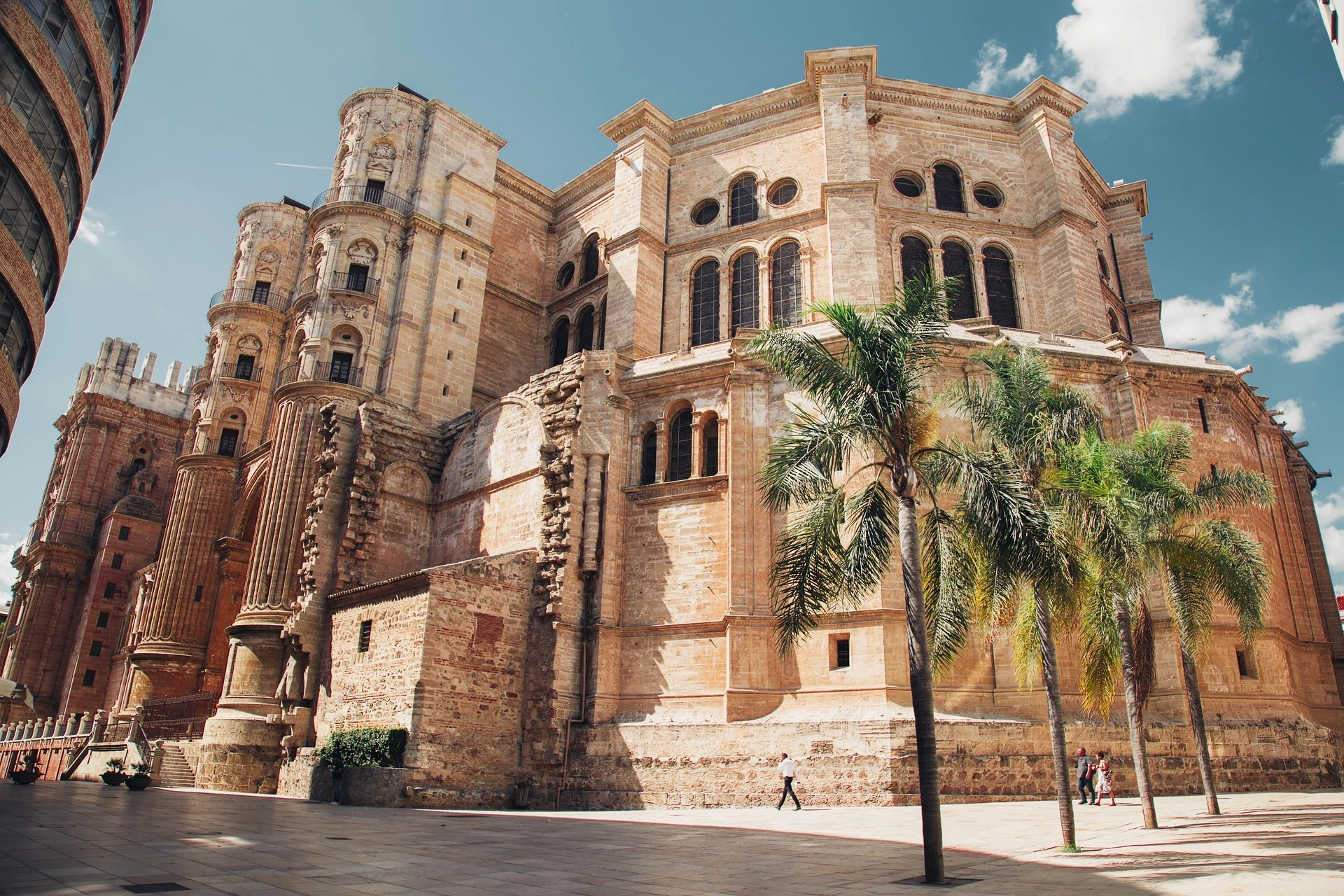
Moorish arches still frame the south

Andalusia (Andalucía) is Spain's southernmost region: eight provinces between the Sierra Morena and the Mediterranean and Atlantic coasts, with Seville as its capital. From 711 to 1492 it was the heart of Al-Andalus. Córdoba ruled an Islamic caliphate, and Granada was the last Nasrid kingdom, whose Alhambra is a UNESCO World Heritage Site. Seville, Córdoba, Granada and Málaga are connected by rail, and the high-speed train from Madrid reaches Seville in about two and a half hours, so the region's main cities fit into a single trip.

Each Andalusian city holds a different chapter: Roman and caliphal Córdoba, Nasrid Granada, Seville and its trade with the Americas, Málaga's port and Picasso's birthplace. Visited one by one they're separate sights. With a local expert in each city, you see how one led to the next. You set the pace: a base in Seville or on the Costa del Sol with day trips, or a route that moves from city to city with hotels and transfers arranged.
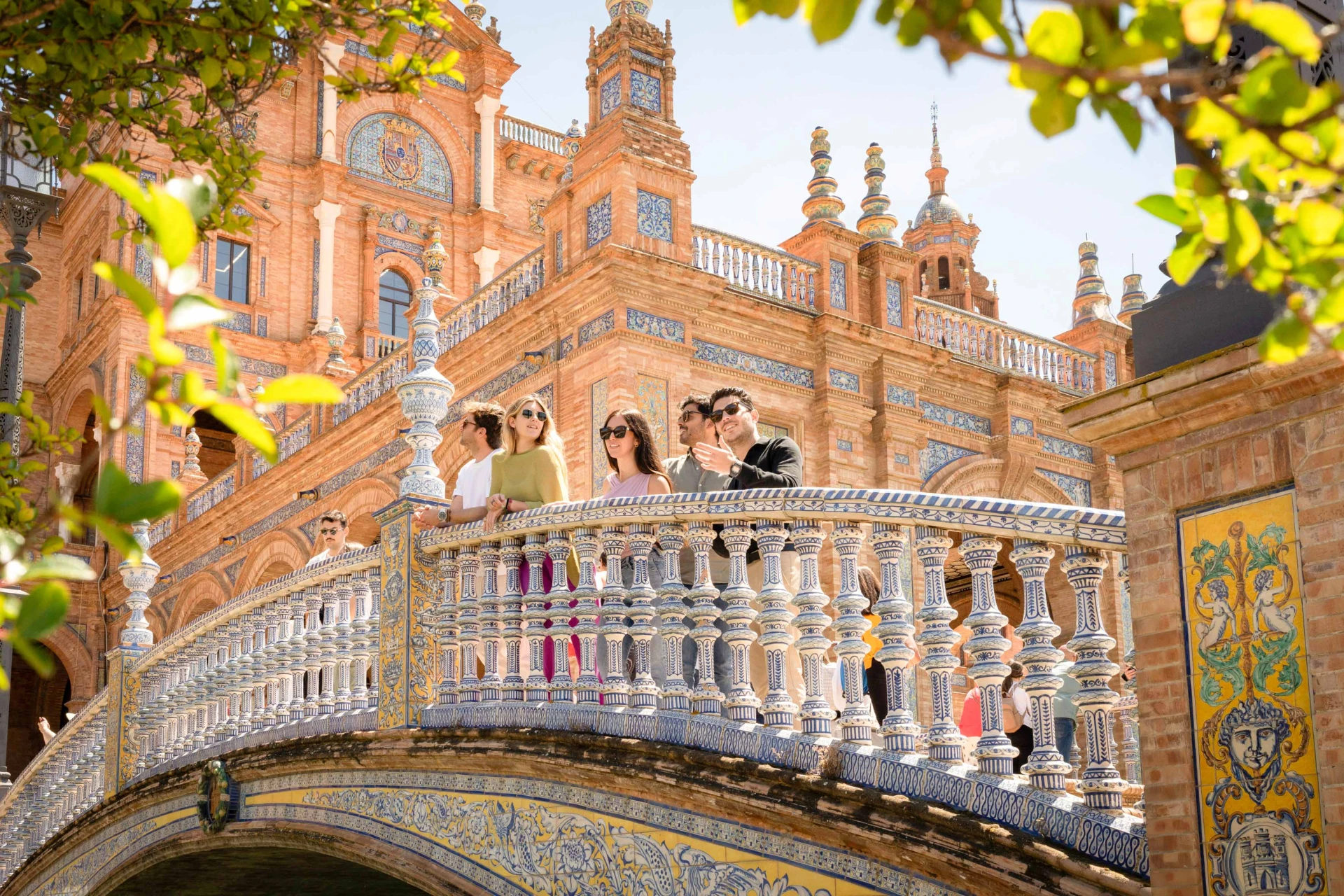
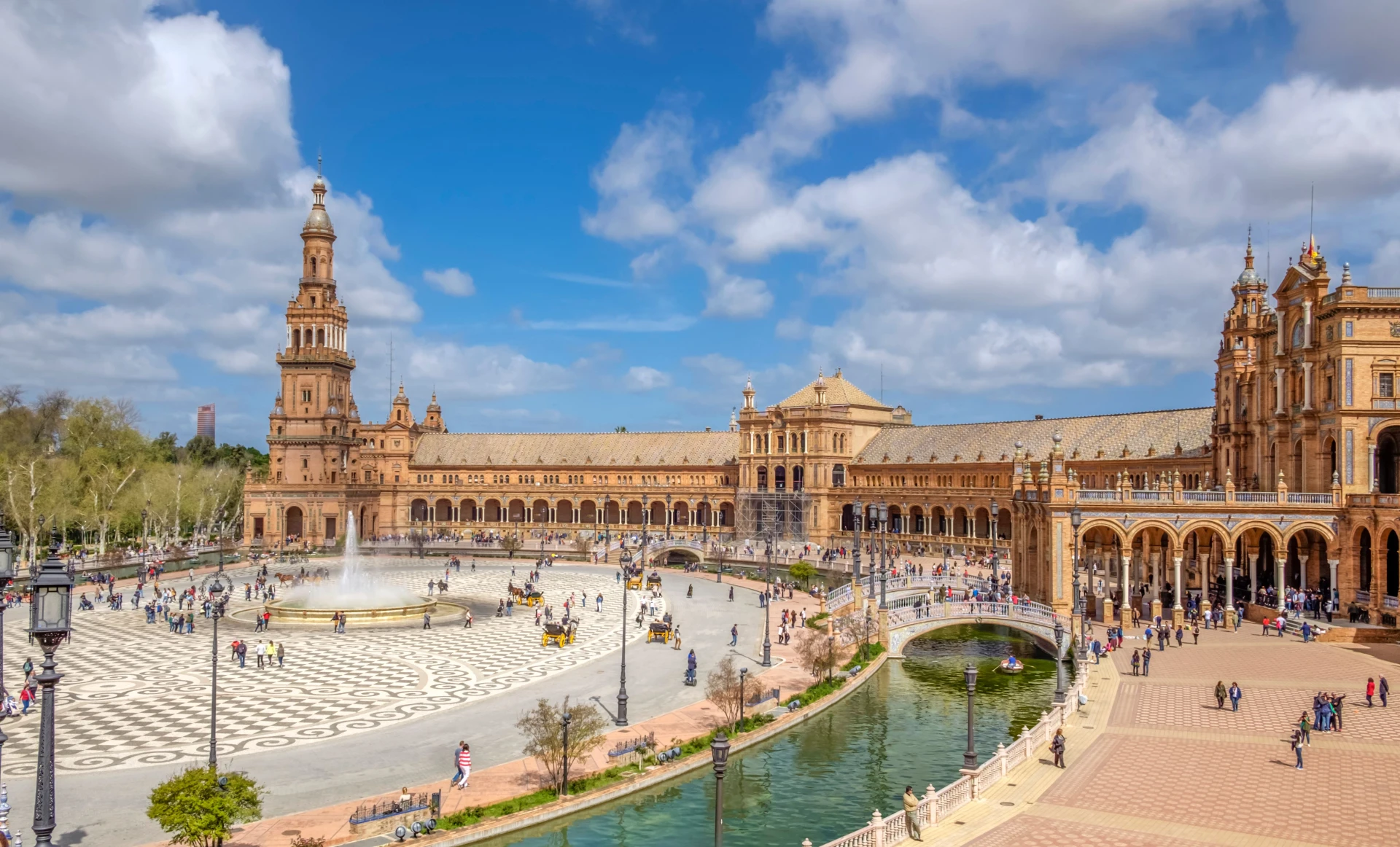
Andalusia, Your Way

You can see Andalusia in four formats. Small group tours run on fixed dates with other travelers, from Seville (the city, plus day trips to Córdoba, Granada and Ronda) and Málaga (tapas and wine). Private tours give your party its own guide in Seville, Málaga and Córdoba, including day trips between them. Multi-day tours link the cities with hotels and transfers, from three days on the Sherry Coast to a week through Seville, Córdoba and Granada. Tailor-made trips are planned around your dates and interests from the first day.

Seville, Córdoba, Granada & Málaga

Andalusia's history runs in order across its cities, so the route you choose is also the story you get.

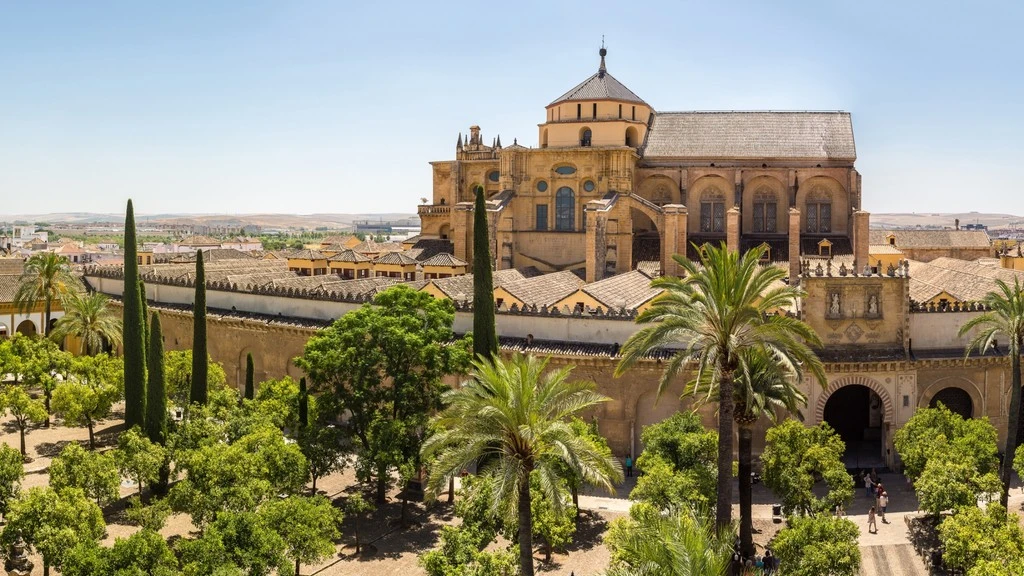
Córdoba: Under the caliphs it ruled most of Iberia. Today a Christian cathedral rises from the middle of its mosque, and the ruins of the palace city of Medina Azahara lie just outside town.

Granada: The last Moorish kingdom held out here until 1492. The Alhambra is why you come; the view of it from the Albaicín at dusk is why you'd want another night. It's a day trip from Seville or part of a multi-day route.

Seville: After 1492 it became Spain's port for the Americas, and the Archivo de Indias still holds the records of that trade. It's also the natural base for Córdoba and Granada.

Málaga: Andalusia's main airport and a port city on the Costa del Sol, with Ronda, the white villages and the Caminito del Rey a day away.

Not sure how to combine them? A tailor-made trip starts from your dates and the cities you care about most.

Beyond the Cities

Between the cities lie the white villages of the Serranía de Ronda, Ronda itself above its gorge, and the sherry towns of the Cádiz coast. Private day trips from Málaga reach Ronda and the white villages, some with a winery stop. From Seville, one small group tour covers Córdoba, the white villages and Ronda in a single day. Jerez and Cádiz are part of the three-day Seville & The Sherry Coast.

Combining Andalusia's Cities

Two approaches work. With a base in Seville, Córdoba and Granada are day trips. With a base in Málaga, the day trips are Ronda, the white villages and Córdoba. If you'd rather not repeat the same train every morning, a multi-day tour moves you from city to city, such as six days from Málaga through Granada, Córdoba and Seville, with hotels and transfers arranged.
Frequently Asked Questions
  • Why should I visit Andalusia?

For nearly eight centuries it was the center of Al-Andalus, and that legacy survives in the Alhambra, the Mezquita-Catedral and Seville's Alcázar, three of Spain's best-known UNESCO World Heritage Sites. It's also where flamenco took shape and where sherry is made, in the towns around Jerez.


  • What's the difference between small group, private, package and tailor-made tours in Andalusia?

Small group tours share fixed dates with other travelers. Private tours give your party its own guide. Packages add hotels and transfers between cities. Tailor-made trips are built from scratch around your dates. Each city page lists what runs there.


  • How many days do I need in Andalusia?

Our multi-day routes through Seville, Córdoba and Granada run six to seven days, enough to see the three cities without rushing. With less time, a base in Seville or Málaga with day trips covers the essentials.


  • When is the best time to visit Andalusia?

Spring (March to May) and autumn (September to November). In July and August, inland Seville and Córdoba regularly exceed 40°C, while the Costa del Sol stays milder.


  • How do I get to Andalusia?

Málaga and Seville have international airports. From Madrid, high-speed trains also reach Córdoba, Málaga and Granada.

Scroll to topScroll to top