Bilbao, Reinvented

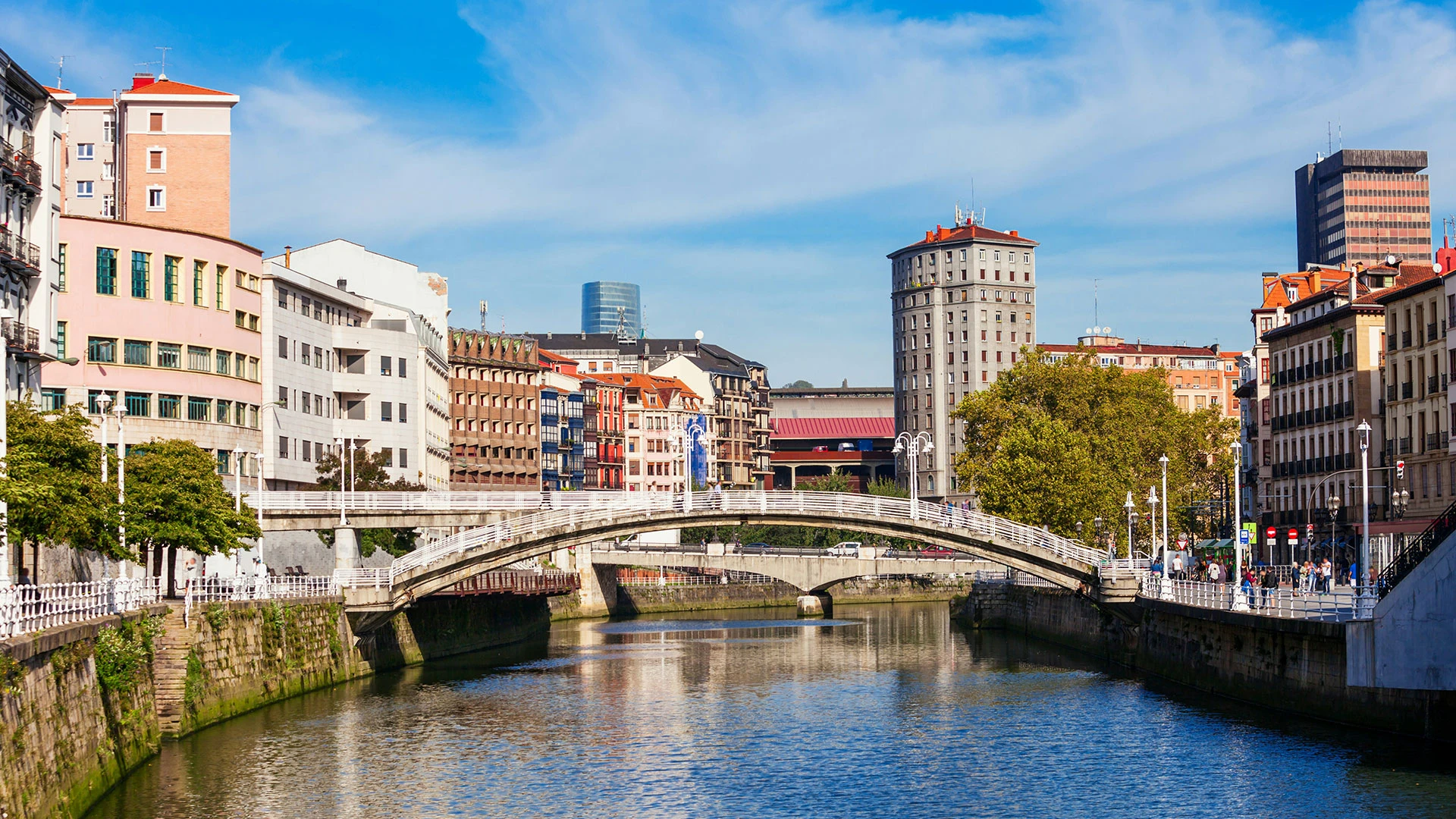
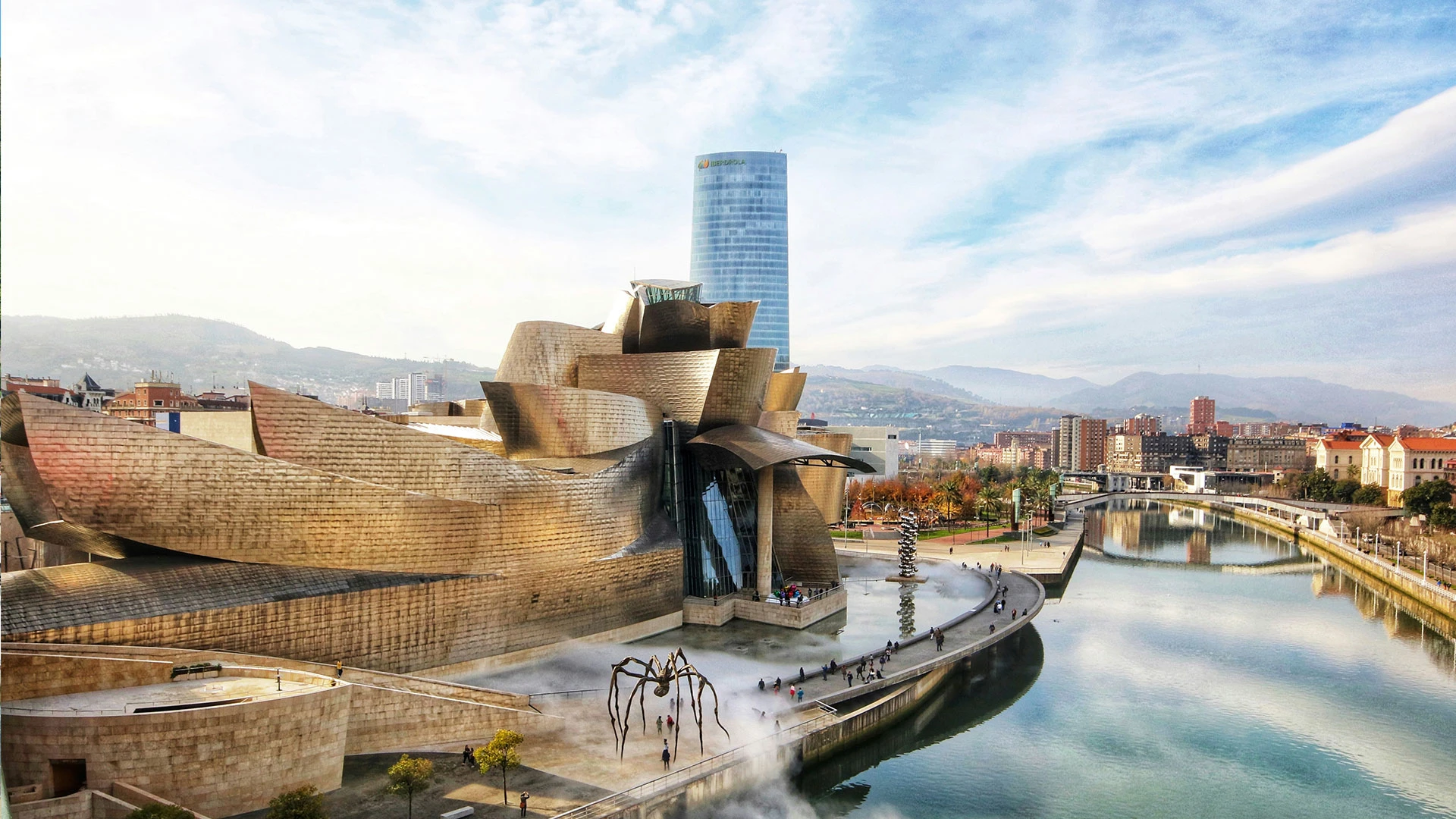
On the riverbank where the Guggenheim now stands, docks and cranes once lined the water. Bilbao grew rich on iron and steel in the 19th century, and when heavy industry collapsed, it rebuilt itself around culture: Frank Gehry's museum opened in 1997 and gave urban planners a term, the "Bilbao effect." A short walk across the river, the Casco Viejo and its Seven Streets keep the medieval town intact.


Seeing that reinvention is a guide's work. World Experience operates only in Spain and Portugal, and in Bilbao our guides connect the pieces: the shipping fortunes that built the Ensanche, the Basque still spoken in the Casco Viejo's markets, the pintxo counters of Plaza Nueva. From here, our Basque journeys continue to Gernika, San Juan de Gaztelugatxe and San Sebastián. You leave understanding why locals call it a rebirth, not a renovation.

Bilbao, Your Way

Three ways to see the city, depending on how much of it you want to shape. A private tour follows the Guggenheim and the old town on your schedule, with a guide for your party alone. Package Tours handle hotels and transfers; Euskal Herri: Soul & Tradition continues to San Sebastián in four days, and The Best of Basque Cuisine spends them at the Basque table. Tailor-made itineraries start from a blank page.


Whatever the format, your guide shifts the emphasis toward what you came for: Gehry's architecture, the industrial city underneath it, or the Basque kitchen.

The Guggenheim and the Old Town

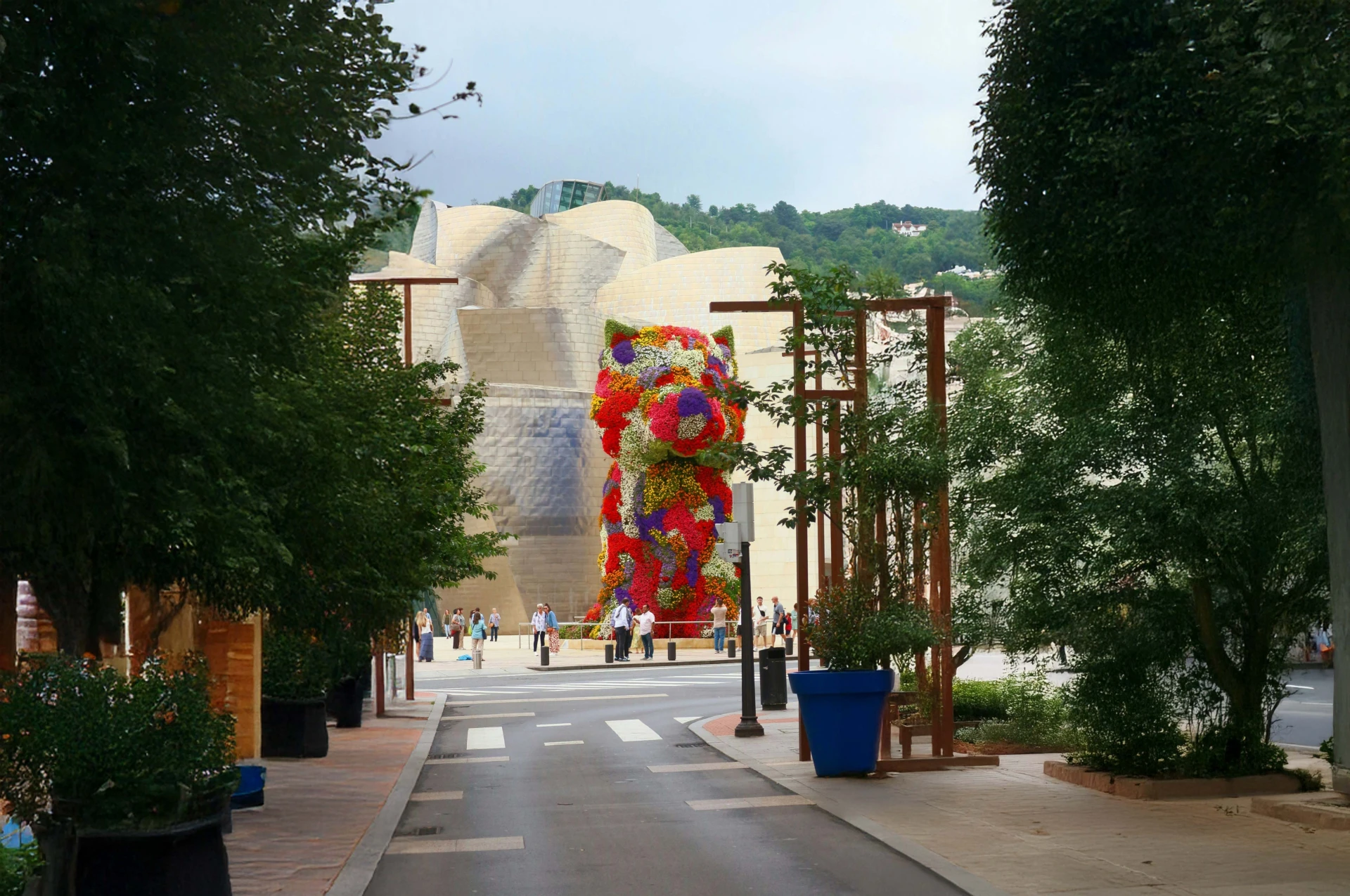
A private day in Bilbao starts at the Guggenheim, with Jeff Koons's Puppy at the entrance and Louise Bourgeois's Maman on the riverside. Your guide explains why Gehry chose titanium, not just what the curves resemble. Then across Calatrava's Zubizuri footbridge to the older city: the Casco Viejo's Seven Streets, Plaza Nueva, and Mercado de la Ribera.

Basque Traditions & Culture

Euskara, a language unrelated to any other in Europe, shares Bilbao's street signs with Spanish, and the city's traditions carry the same identity. Visit a txoko, the members-only gastronomic societies where Basque friends cook for one another, or catch a pelota match at a local frontón. Come in August for Aste Nagusia, the city's festival week, when concerts, fireworks and street stalls fill both banks of the river.

Bilbao Food & Wine

Bilbao cooks from Basque tradition and what the Cantabrian Sea brings in. Start with pintxos at the counters of Plaza Nueva, then Mercado de la Ribera, the covered market on the riverbank beside the Casco Viejo. Pair the day with txakoli from the Bizkaia coast or wines from Rioja Alavesa, under two hours south, and, if you'd like, dinner at one of Bilbao's Michelin-starred restaurants. The Best of Basque Cuisine spends four days at that table.

Frequently Asked Questions


  • Why should I visit Bilbao?

Bilbao grew rich on iron, steel and shipping in the 19th century, and when heavy industry collapsed, it rebuilt itself around culture. Frank Gehry's Guggenheim Museum, opened in 1997, led a transformation urban planners still call the "Bilbao effect." Around it you'll find a walkable medieval old town, one of Spain's strongest food scenes, and easy access to the Basque coast and San Sebastián.


  • What's the difference between private, package, and tailor-made tours in Bilbao?

Private tours cover the city on your own schedule, with a guide exclusively for your party. Package tours combine touring with hotels, transport, or multi-day logistics already arranged. Tailor-made itineraries are built from scratch around what you specifically want to see, at your own pace. All three are led by a guide with deep local knowledge; the difference is in flexibility and length. Small group departures are not currently offered in Bilbao.


  • How many days do you need in Bilbao?

One full day covers the city itself — the Guggenheim, the Casco Viejo, and a pintxo route. Euskal Herri: Soul & Tradition adds Gernika, San Juan de Gaztelugatxe and San Sebastián in four days, and The Best of Basque Cuisine spends the same four days at the Basque table. To go further, our Northern Spain journeys run up to 8 days, continuing west into Asturias.


  • Should I stay in Bilbao or San Sebastián?

Many travelers do both. Bilbao is the larger city, home to the Guggenheim and the better flight connections; San Sebastián is smaller, set on the beach, and holds one of the highest concentrations of Michelin stars in the world. They are roughly an hour apart by car, which is why our Basque journeys include both.


  • What's the best time to visit Bilbao?

Bilbao has a mild, Atlantic climate, with more rain than southern Spain. Late spring (May–June) and early fall (September) bring the most stable weather for walking the city, and August adds Aste Nagusia, the city's festival week.


  • How do you get to Bilbao?

There are no direct flights from the US, but Bilbao Airport (BIO) connects easily through Madrid, Barcelona and other European hubs; the flight from Madrid takes about an hour. By train, several daily departures from Madrid make Bilbao an easy addition to a Spain itinerary.



Scroll to topScroll to top