Stay Inspired. Travel Further.
Join our newsletter and be the first to discover new tours, curated travel ideas, and exclusive experiences designed to inspire your next adventure

Barcelona has a habit of stealing the spotlight with Gaudí, beaches, and rooftop bars. Gothic architecture, by contrast, does not try to impress you. It just waits. For American travellers who enjoy cities with layers, this part of Barcelona feels less like a checklist and more like a conversation that unfolds as you walk.
The Gothic city is not staged. It is practical, sometimes dark, often uneven, and very much alive. Churches share walls with apartments. Medieval courtyards hide behind cafés. History does not announce itself. You notice it when you slow down.
Gothic architecture arrived in Barcelona between the 13th and 15th centuries, when the city was a serious Mediterranean trading power. This was not a royal capital obsessed with monuments. It was a working city. That mindset shaped its architecture.
Catalan Gothic avoids excess. Buildings are wide rather than tall. Decoration is limited. Light enters carefully. Everything feels designed to function first and age well later. Scholars from the Universitat de Barcelona often describe it as a style made by merchants, not kings. That explains why it feels grounded, even modest.
Barrio Gótico is not one attraction. It is an urban puzzle that has been assembled over centuries.
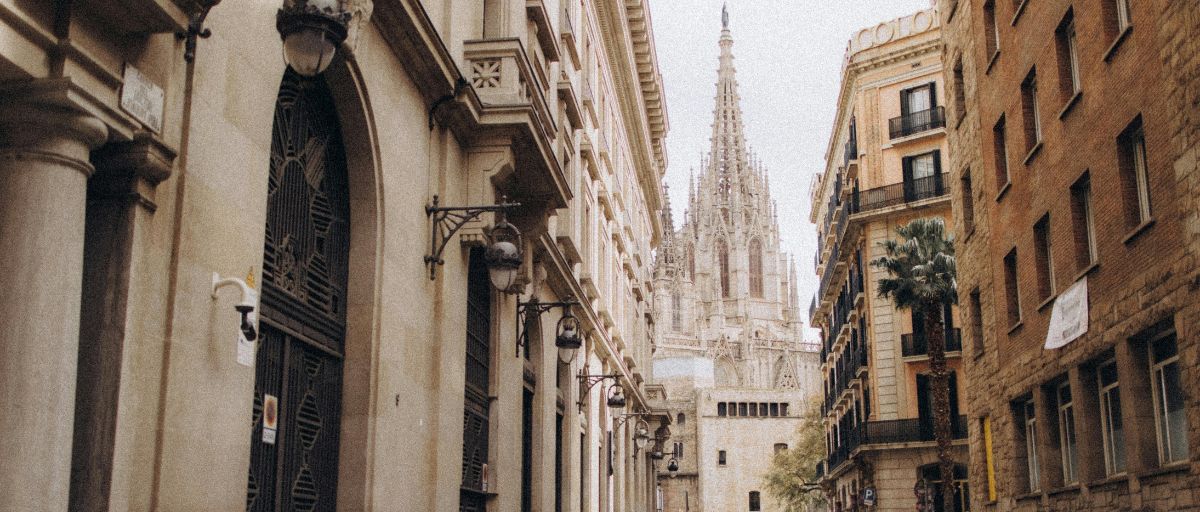
Streets are narrow because space was valuable. Corners curve because no one planned for tourist maps. Small squares appear suddenly, like the city needed to breathe for a moment. You are not meant to see everything at once. You are meant to get a little lost.
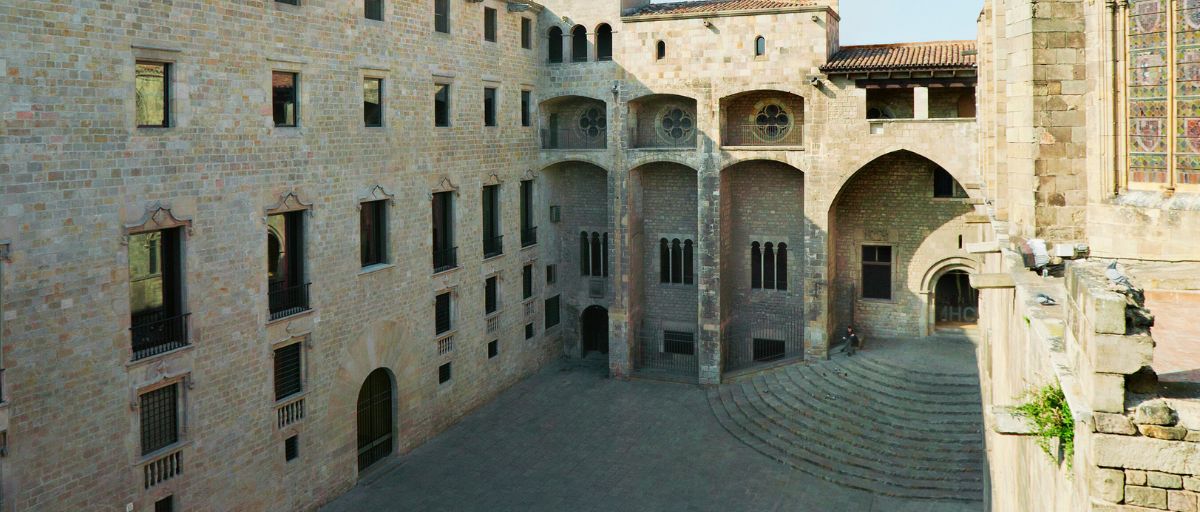
Plaça del Rei is a good example. Royal residence, chapel, and administrative buildings share the same space. Power, religion, and bureaucracy all within a few steps. Medieval efficiency at its best.
Barcelona Cathedral dominates the Gothic skyline, even if it plays a small trick on visitors.
The interior is genuinely medieval. Wide, calm, and restrained. The cloister, home to its famous geese, feels like a pause button in the middle of the city.
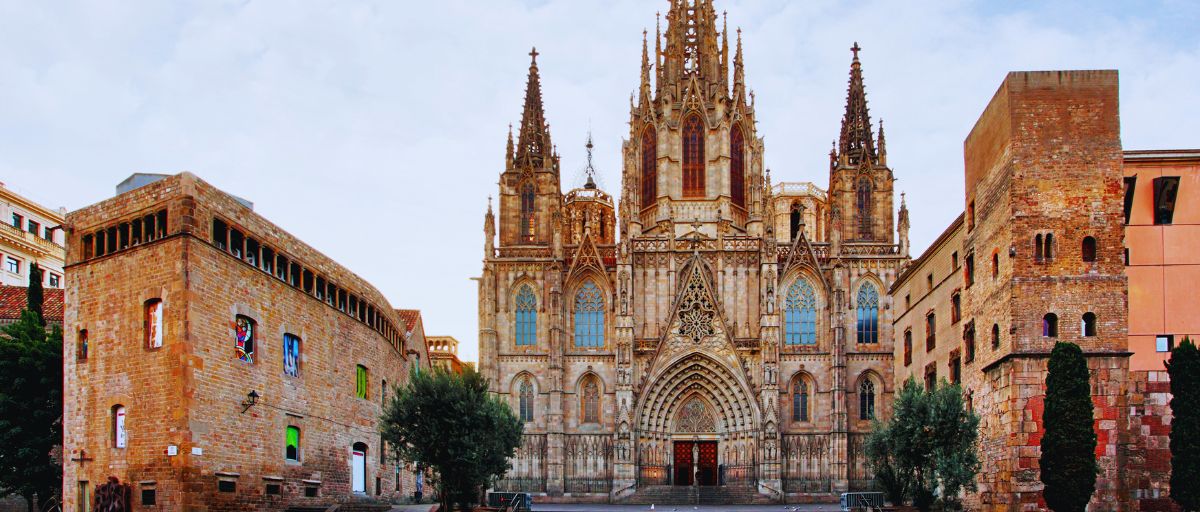
The façade, however, is neo-Gothic, added in the 19th century. This is not a scandal. The city does not hide its edits. It shows you what belongs to which century and lets you decide how you feel about it.
Santa Maria del Mar is where Catalan Gothic feels most convincing.
Built quickly for its time and financed by local merchants and port workers, the church reflects its neighborhood. The space feels open, balanced, and human. Columns rise without drama. Light spreads evenly. Nothing competes for attention.
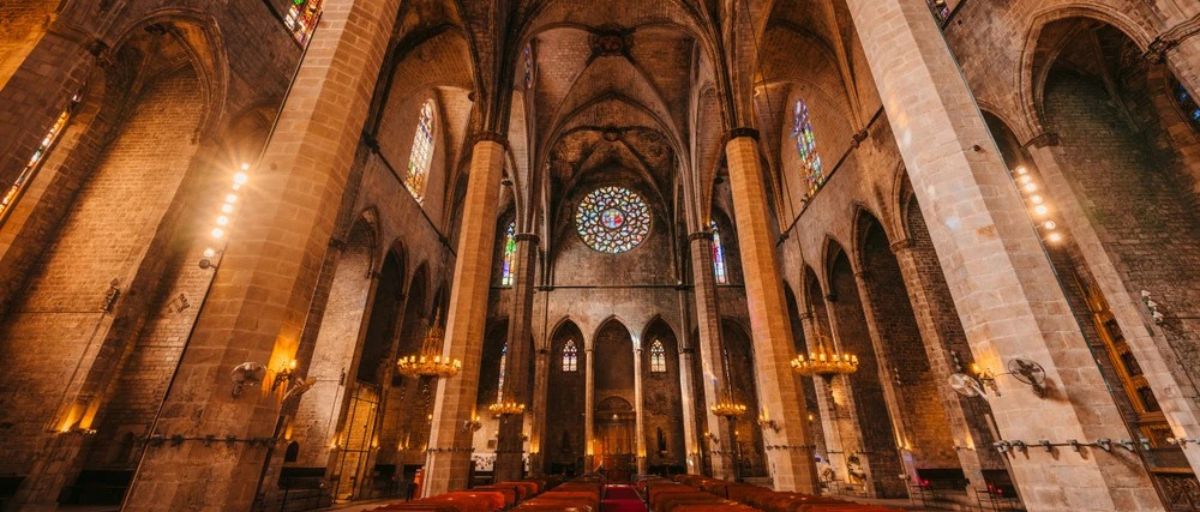
Architectural studies by the Col·legi d’Arquitectes de Catalunya often point to Santa Maria del Mar as a lesson in clarity. It does not try to overwhelm you. It simply works.
Barcelona’s Gothic identity is also civic. Government buildings adopted the same sober language.
Palau de la Generalitat mixes Gothic courtyards with later additions, a reminder that institutions rarely stay frozen in time.
Reial Monestir de Santa Maria de Pedralbes, slightly removed from the city center, offers one of the most complete Gothic cloisters in Europe.
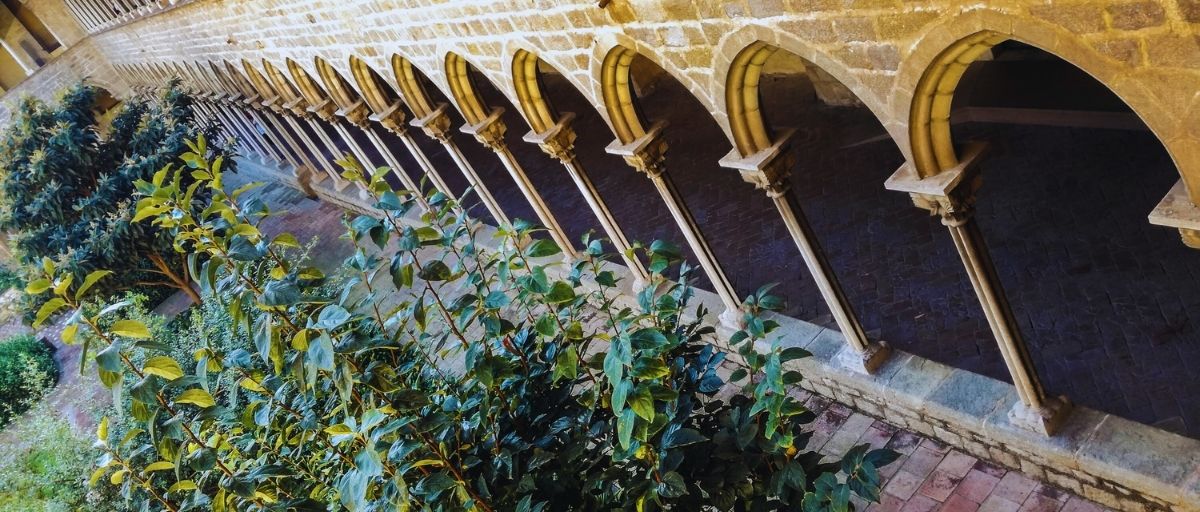
These spaces explain Gothic architecture as something practical. Administration, religion, and daily life shared the same design logic.
Gothic Barcelona rewards patience. Early mornings are quiet. Late afternoons soften the stone. Details become easier to notice when the streets empty a little.
Guided walks, like the Barcelona Gothic & Born Private Walking Tour , help connect the dots. Experiences curated by World Experience often blend Gothic landmarks with local neighborhoods and food stops. Medieval cities were built around daily routines, not sightseeing.
Gothic architecture explains how Barcelona thinks. Compact. Functional. Slightly stubborn. It balances the city’s louder architectural moments and adds context to everything that came later.
For travelers who prefer understanding over spectacle, Gothic Barcelona feels honest. It lets you figure it out, one street at a time.

Enter your email to save experiences and access them anytime.
We will send a reset link to: