Stay Inspired. Travel Further.
Join our newsletter and be the first to discover new tours, curated travel ideas, and exclusive experiences designed to inspire your next adventure

Barcelona and Catalonia are often surrounded by stereotypes and clichés. Catalans are sometimes described as cold, greedy, or distant, but how much of that is really true?
If you have travelled around Spain, you may have noticed that each region has its own character. Barcelona is a city of contrasts. It is open-minded and cosmopolitan, yet deeply rooted in its traditions and Catalan identity. If you want to understand these nuances beyond the clichés, private tours in Barcelona can help you explore the city’s social history and cultural context with local insight.
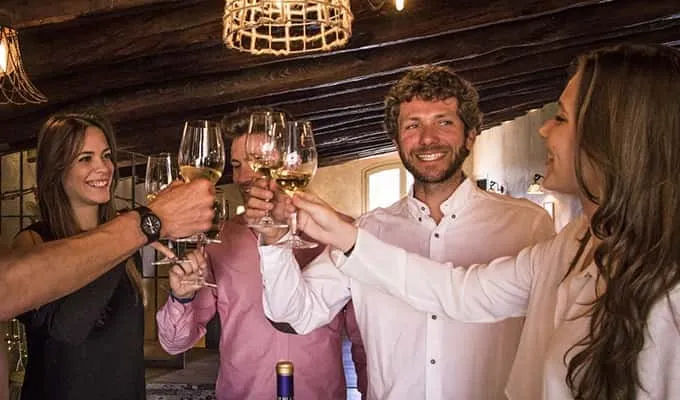
In Barcelona, tradition reigns. Regardless of the time you visit, there is sure to be a celebration planned for the following dates
With more than 1.5 million inhabitants, Barcelona is the second biggest city in Spain, only behind Madrid. Additionally, more than 200,000 of its inhabitants are foreigners, and so it is not hard to see that Barcelona is a multicultural place where people of all nationalities live alongside one another.
There are also many visitors from the rest of Spain, whether that be for work, to study, or as travelers. These are some of the factors that make Barcelona a reference point as a cosmopolitan metropolis.

This is something very typical of Barcelona. That, in spite of being so big, it maintains its essence, which makes the city very authentic. The inhabitants of Barcelona spend much of their lives outside their houses, in the park, at the beach, or on a terrace in the open air, and often do so within the same areas, without leaving their own neighbourhood often.
For that reason, perhaps the neighbourhood festivals are so important, in which all the residents of the neighbourhood decorate the streets and celebrate. Here, everyone seems to know each other.
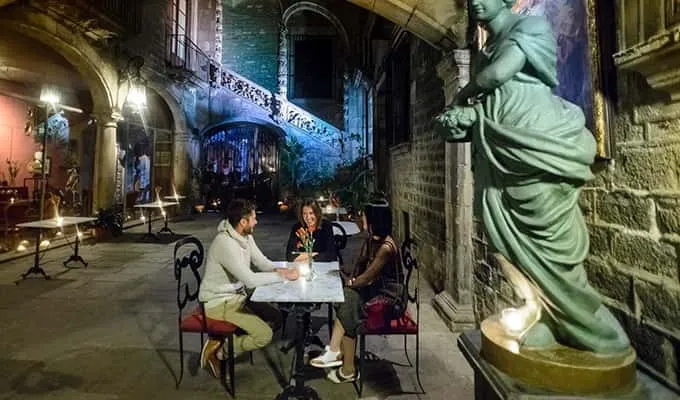
Even if it is true that the stereotypes are exaggerated, it is true that there is always some element of truth in them. One example is in terms of economics – at the moment of paying for a round or a dinner, everyone pays their part and does not leave a tip. This is something you don’t often see in the rest of Spain, where it is more common to pay equally or pay a round without problems. As they say in Catalonia, “money is money”.

And even if it is also true that it is very difficult to enter a Catalan friendship group, once you enter, you never leave. Catalans maintain their friendships, and you will be part of the family.
One of the other things they say about Barcelona is that the people only speak Catalan. And in reality, nothing is further from the truth – the language most heard in the Street is Castilian Spanish. Given that the city has such a cosmopolitan population of people from across Spain, Europe, and the world, Catalan is not as frequent as in other places such as Girona or Lleida.
However, Catalan is indeed spoken in Barcelona, and it is understandable that amongst Catalans, they speak in the language in which it is most comfortable for them to communicate.
Now that we have explained why the Catalans are as they are, surely you are now thinking whether there may be any other reasons. And yes, politics also influences their way of being and the character of Catalans, but we will speak about that elsewhere.

Enter your email to save experiences and access them anytime.
We will send a reset link to: