Stay Inspired. Travel Further.
Join our newsletter and be the first to discover new tours, curated travel ideas, and exclusive experiences designed to inspire your next adventure

Spending Christmas in a foreign country can be a magical experience, especially when there are so many unique traditions like there are in Catalonia. If you are going to celebrate Christmas in Barcelona this year, then you need to know what the locals do, what they eat and how they spend the festive period.
Below, we present 15 Catalan Christmas traditions, some of which may surprise you. As you will find out, Catalans have quite a dark sense of humour, and this is reflected in their most popular rituals. Even so, in Barcelona, as in Spain in general, most Christmas traditions are related to Catholicism.
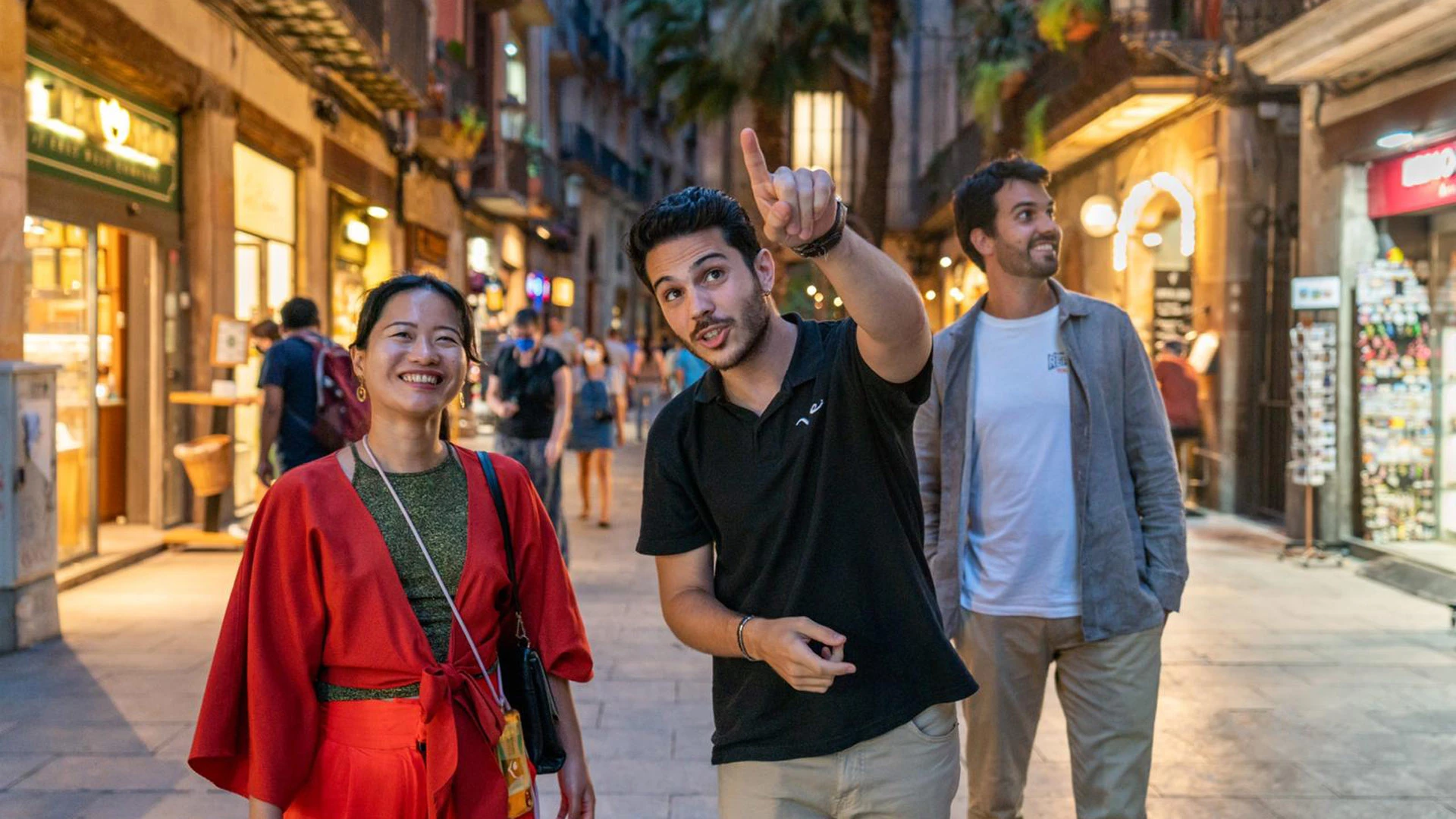
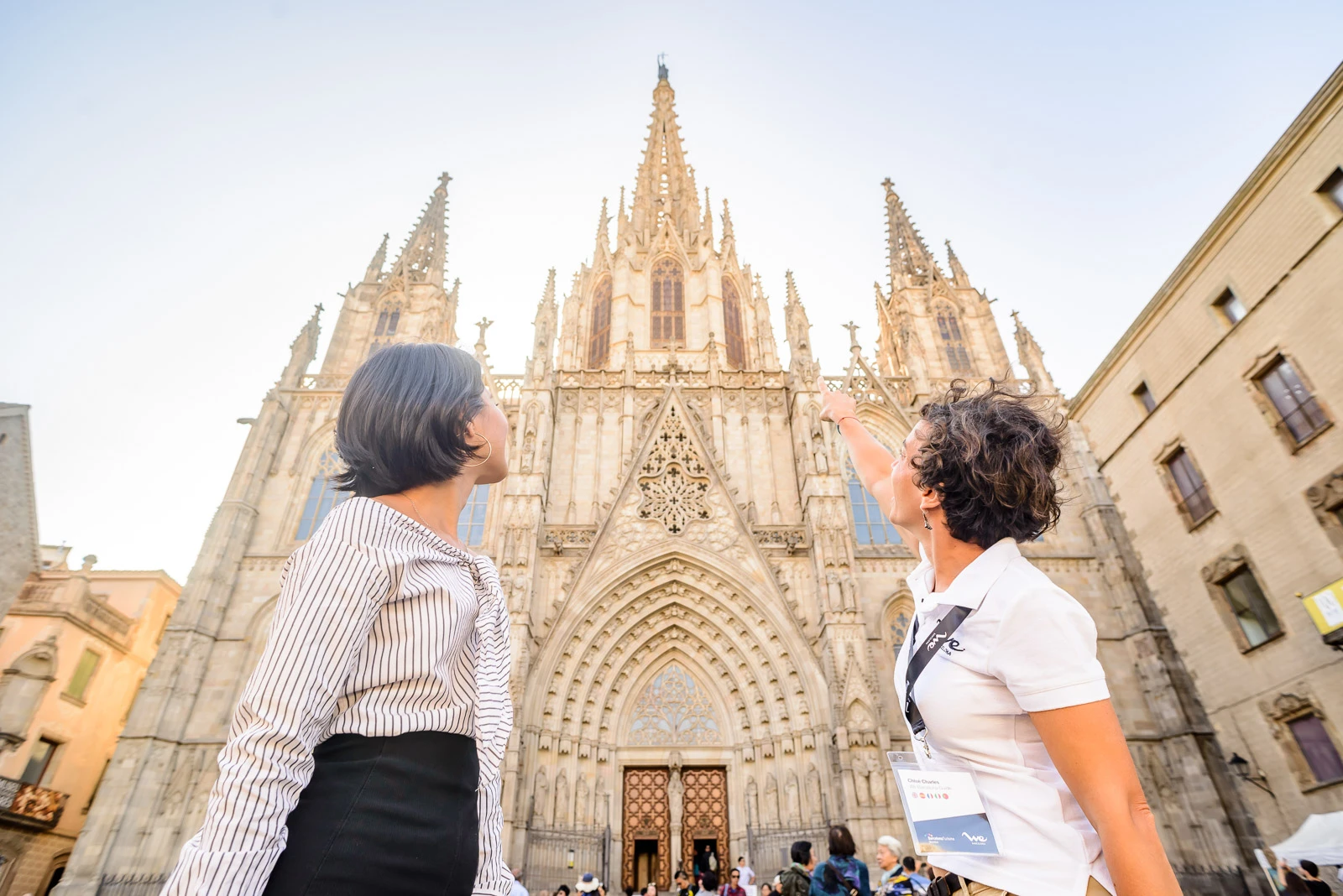
If you are staying in Barcelona just for the weekend, we recommend our Barcelona guided walking tour. This allows you to see Barcelona's most famous streets and buildings in just 4 hours. All of which will be beautifully decorated with lights, meaning you can feel the true spirit of Christmas around every corner.

Putting together a Nativity scene in the house to represent the birth of Jesus is a tradition across the whole of Spain. Assembling the figures, the stable and the river is great fun for the little ones.
In Catalonia, Nativity scenes have a special touch compared to the rest of Spain. This special touch is the 'Caganer' figure, which represents a squatting shepherd, with his trousers around his ankles in a defecating position. It is often hiding somewhere in the scene.
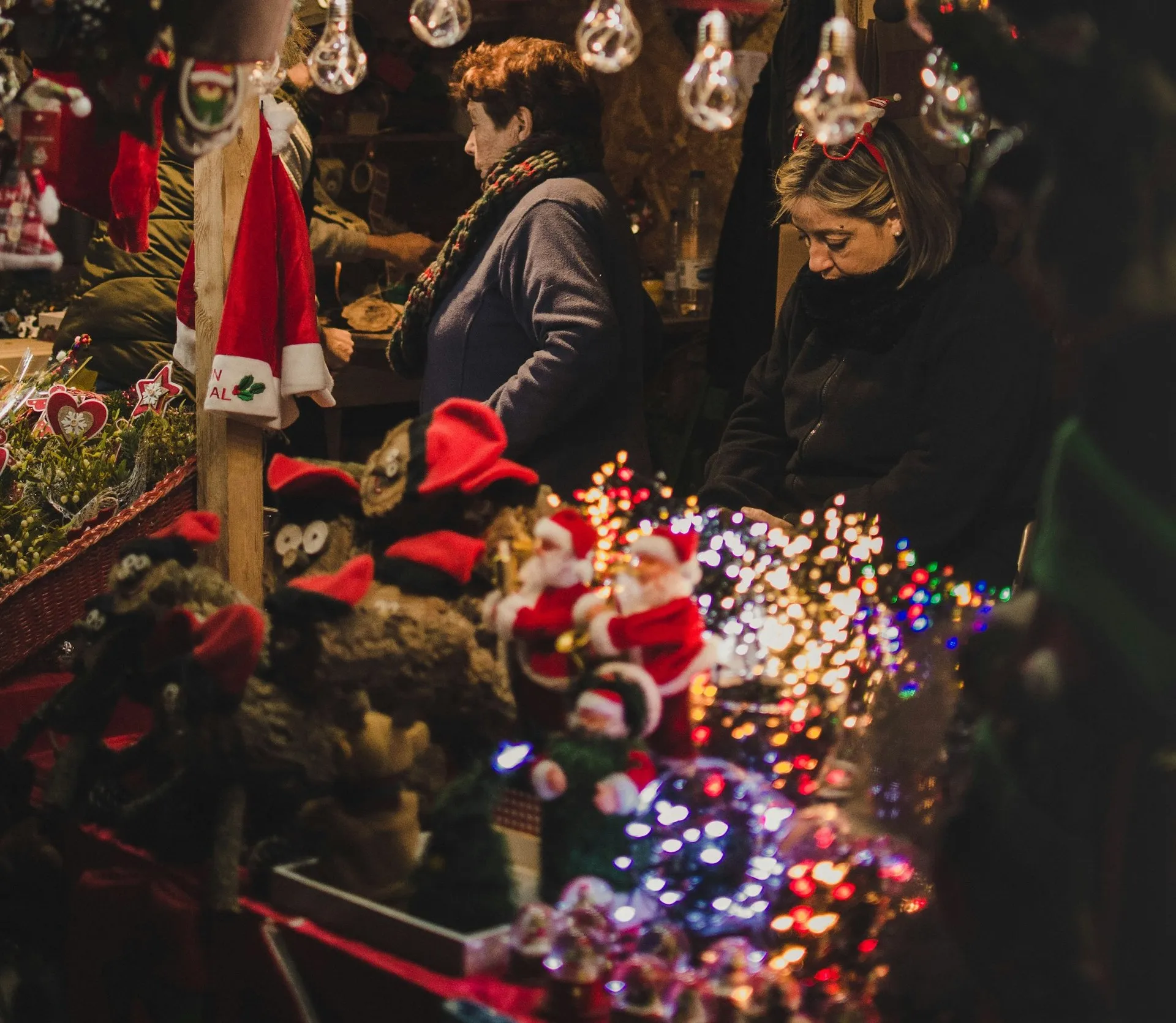
Continuing with the defecating theme is the Tió de Nadal. This is a wooden trunk which the children have to 'feed' in the days leading up to Christmas Eve. On the night of Christmas Eve, they hit it with a stick to the rhythm of a song and it poos out presents!
The city is full of markets for buying typical Christmas gifts. The markets in Santa Llúcia and the Sagrada Familia are the most famous.
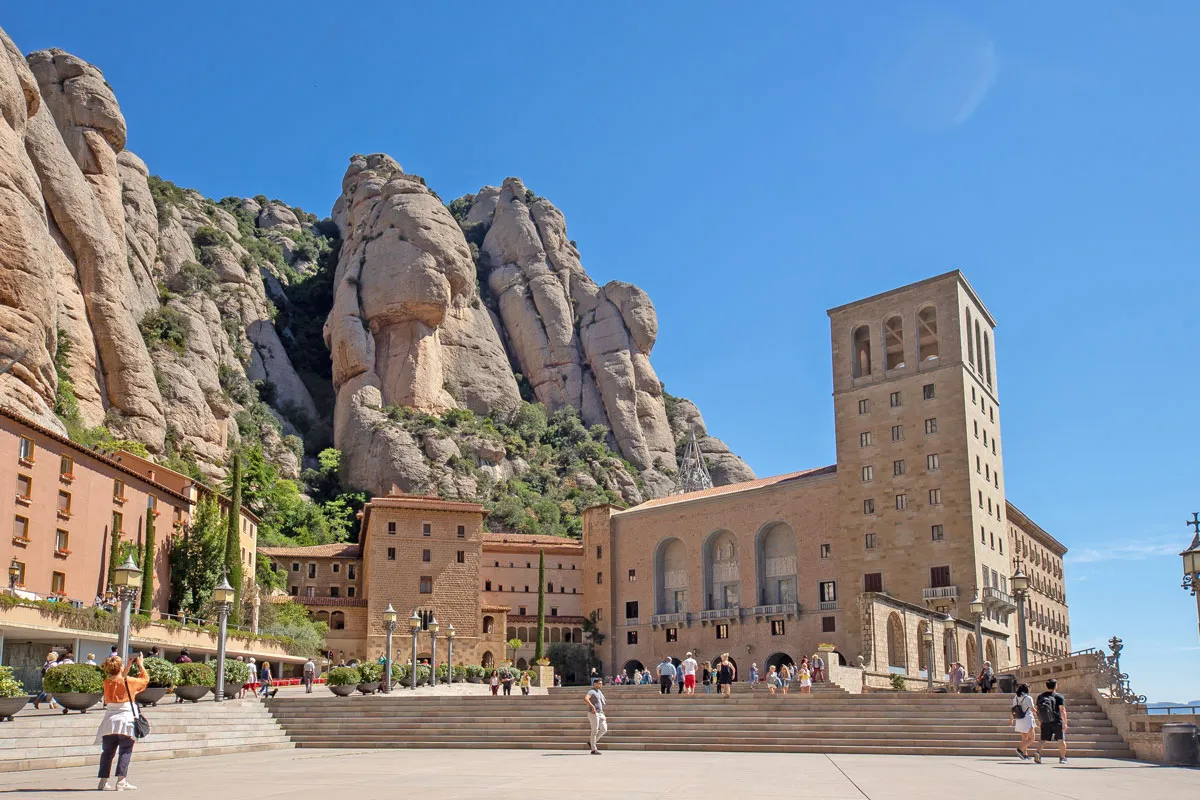
Many people, especially religious people, visit the Montserrat monastery at Christmas to ask the La Moreneta, the patron virgin of Catalonia, for good luck in the year ahead. If you want to visit this sacred site on your trip, then check out our tour with transport, a walking route and food in Montserrat.
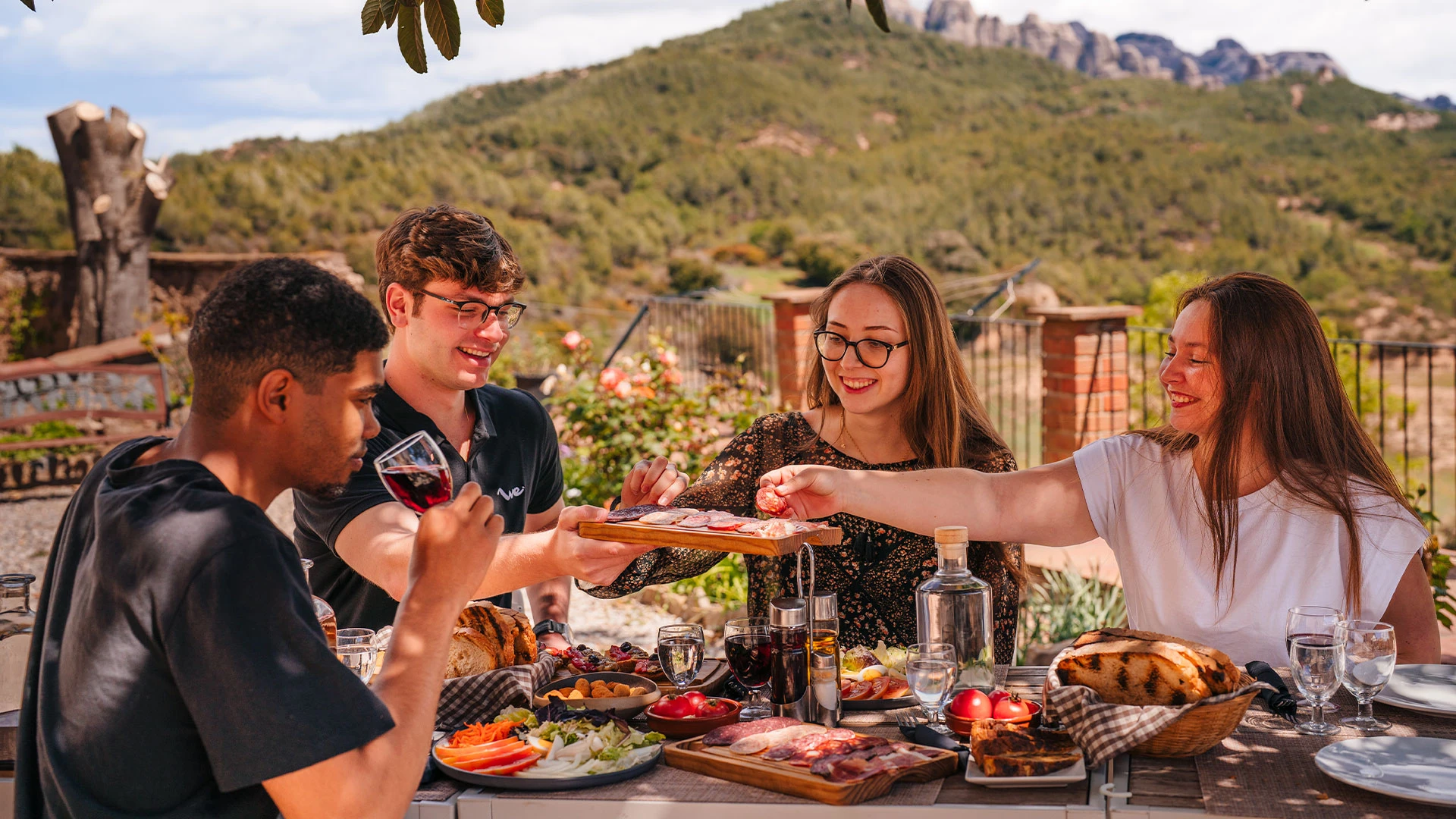
In the streets of many cities in Catalonia there are nativity scene performances with real-life actors. Some even include a Caganer!
This is a theatre production which dates back to the 16th century. The shepherds (pastorets) and the demons (demonios) are the main characters, and the show includes songs, dances and plenty of humour.
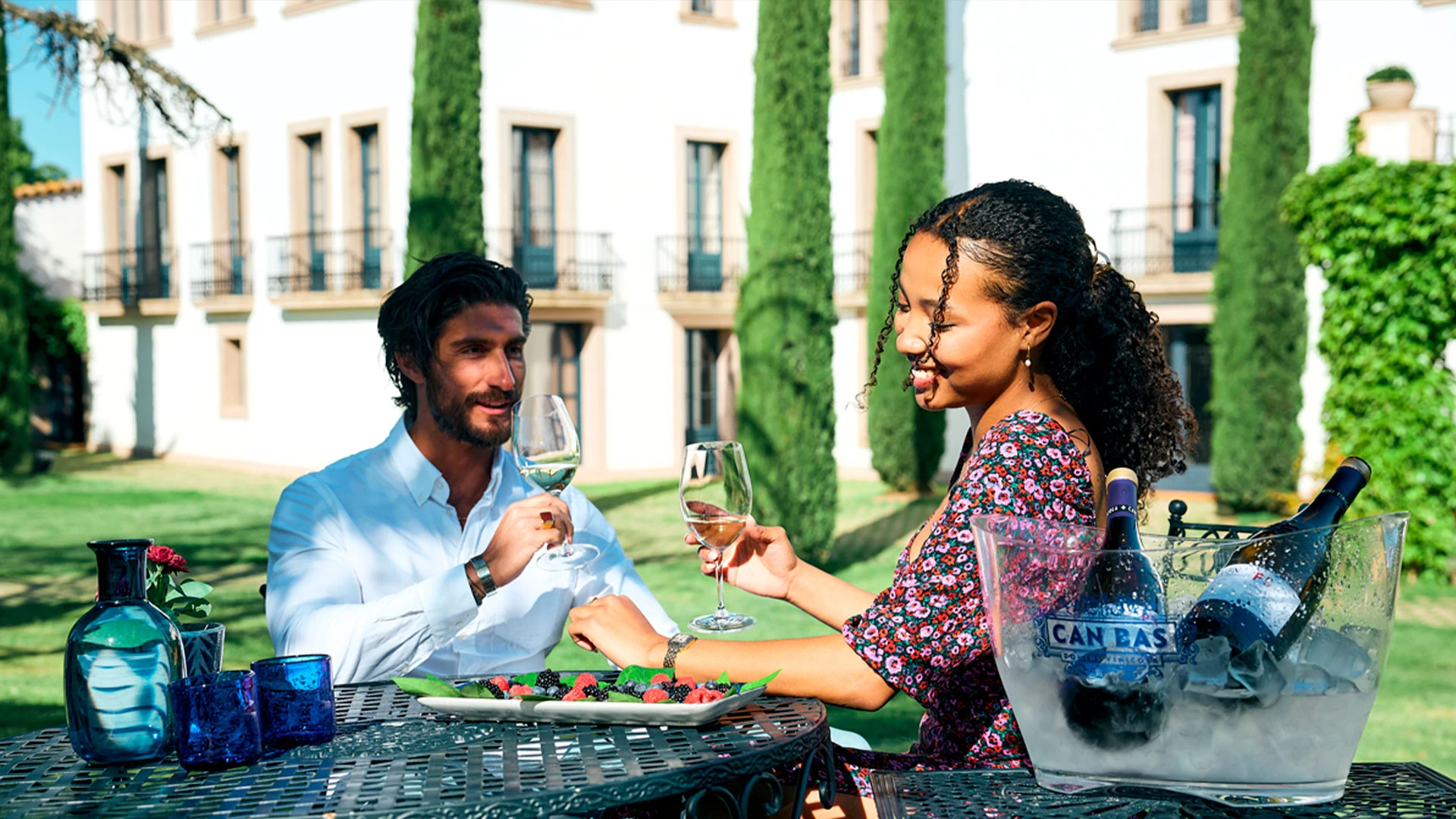
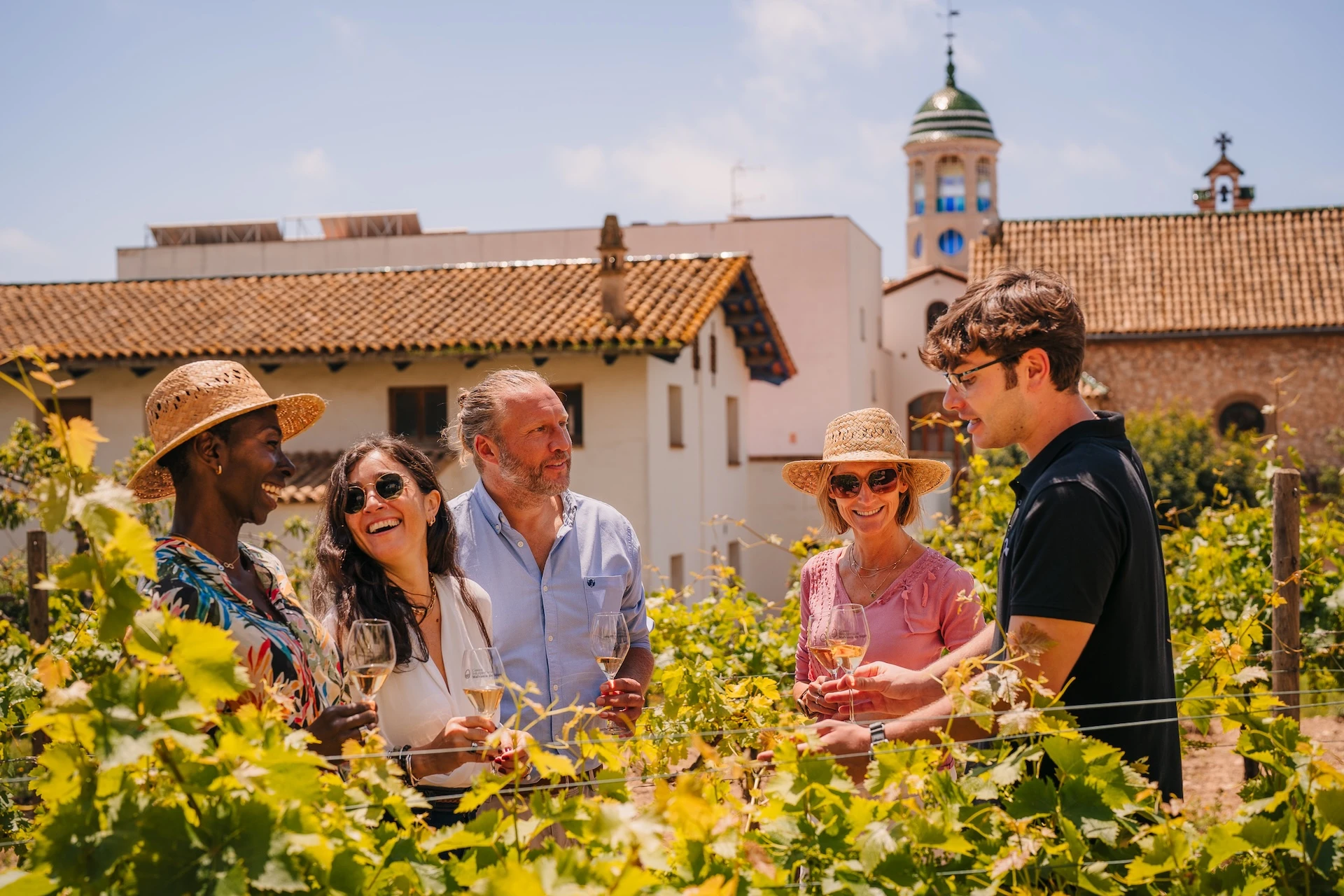
At family dinners a toast is often made to celebrate Christmas. This toast is made with Cava in Catalonia, a traditional fizzy wine from the area. If you're a wine lover and you would like to discover more about it, we recommend a wine and Cava sampling session at a traditional winery.
On Christmas Day, 'escudella i carn d’olla', a soup with a meat broth inserted into pasta in the form of a snail shell called 'galet', is often eaten.
In Catalonia, the 26 December is often a holiday. This is Saint Stephen's day, and it's said that this is a rest day after Christmas Eve and Christmas Day.
On Saint Stephen's day, the traditional dish is 'Canelones'. According to tradition, single people cook on this day, using up the meat leftover from the previous day.
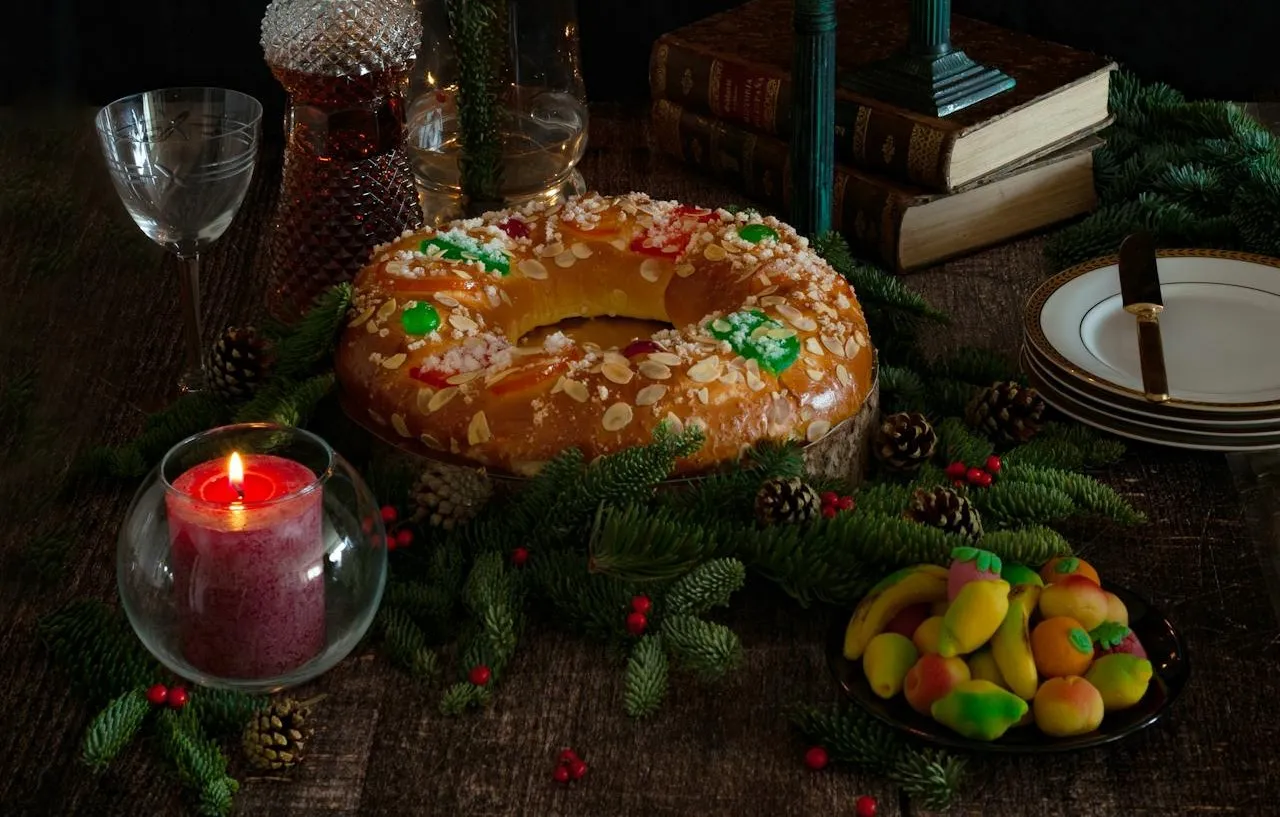
In Catalonia, as well as the Tió de Nadal, children eagerly await the arrival of the Three Kings. At breakfast time, or as a dessert after the main meal, it's tradition to eat the Roscón de Reyes, a cake with a king and a bean hidden inside. Whoever has the bean in their portion must pay whoever has the king or agree to buy the king off them the following year.
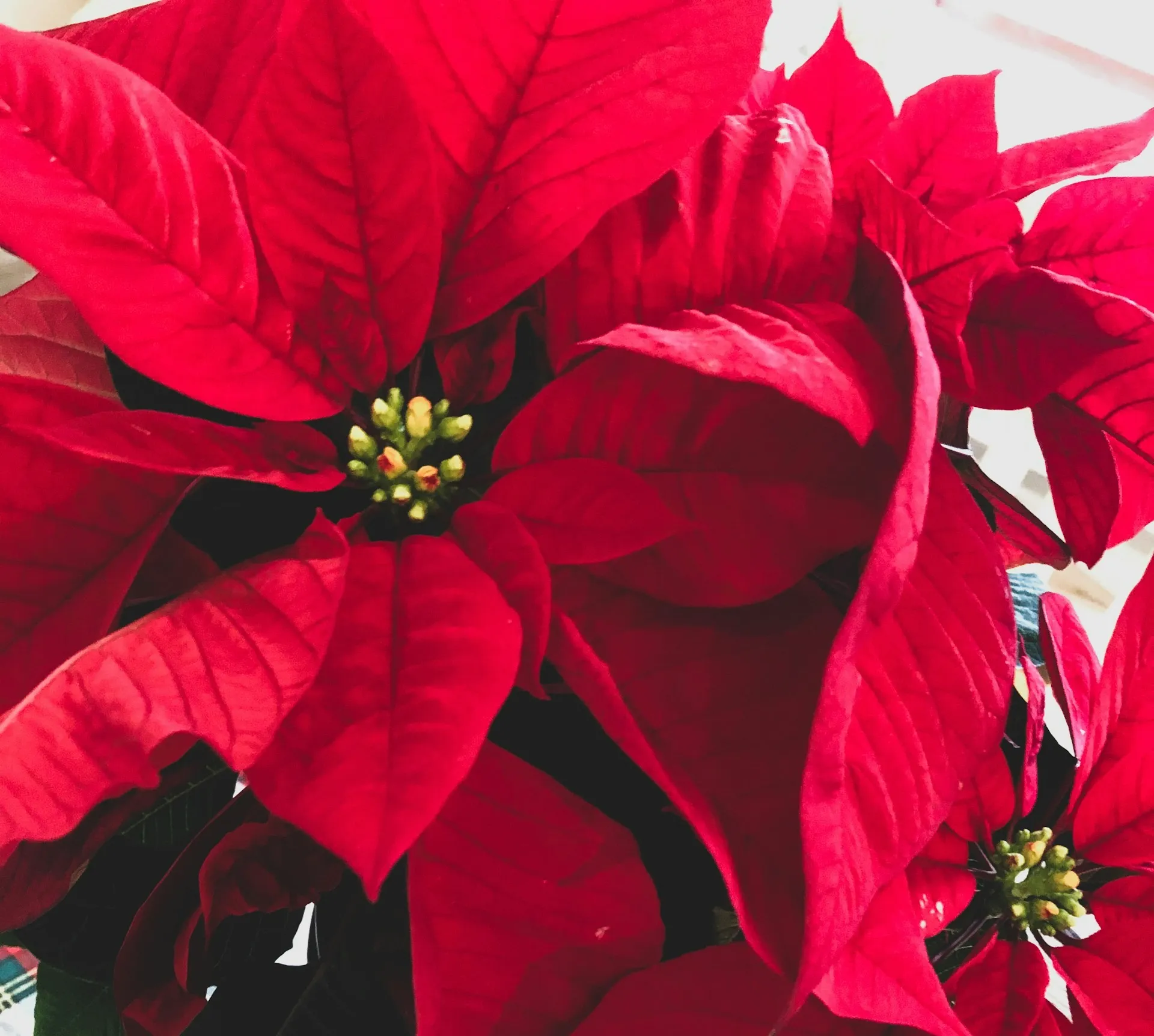
Like in many other countries, people buy flowers in Catalonia at Christmas as a symbol of purity and good fortune. Poinsettias are typical flowers for this time of year.
This is a made-up character intended to trick children on the 31 December. It's said that a man with a nose for every day of the year roams the streets. Children are left dumbfounded by imagining a man with so many noses, but by then, there’s only one day of the year left...
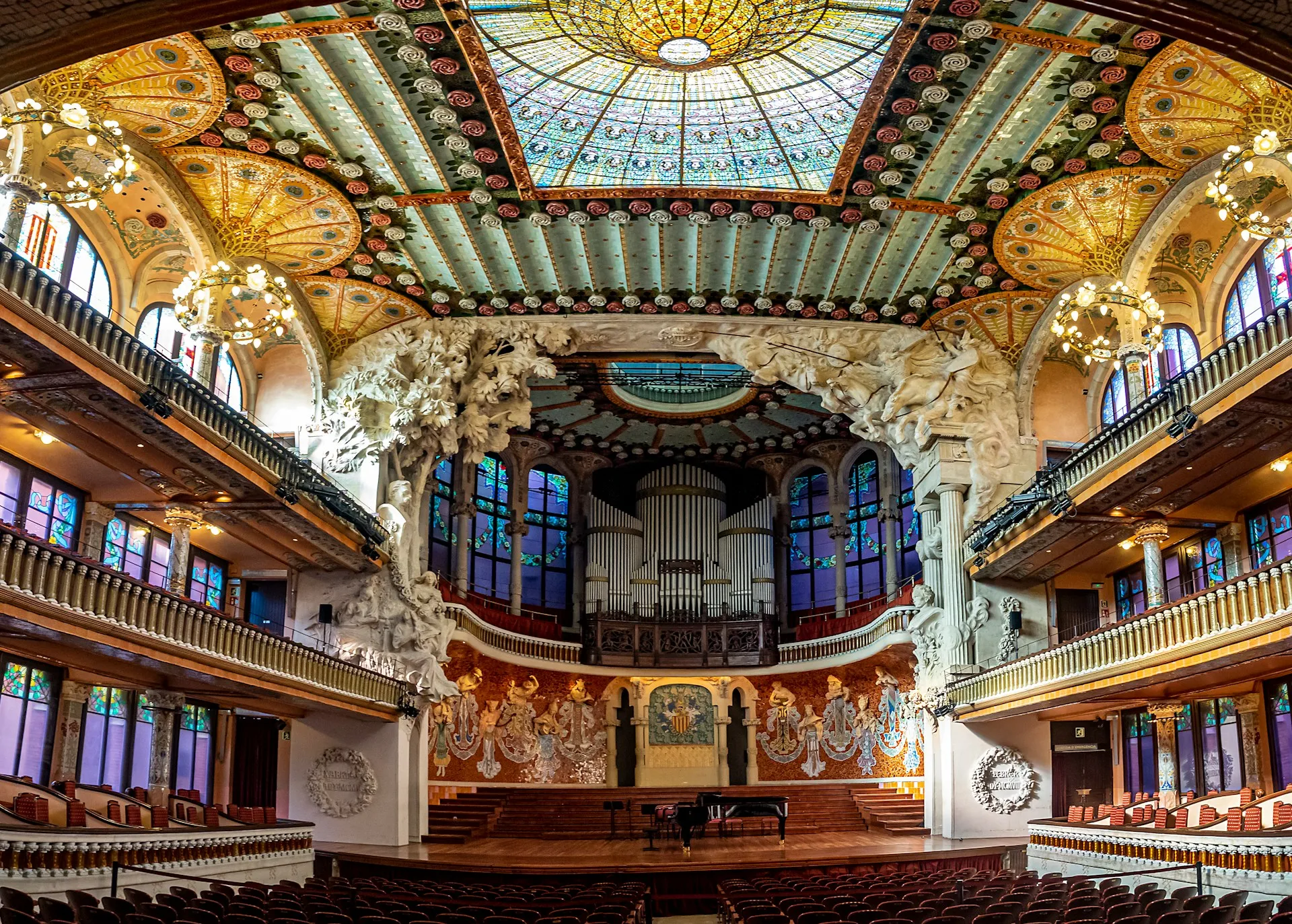
The Palau de la Música fills up every new year for one of the most popular concerts of the calendar. You must buy tickets in advance for this one.
Enter your email to save experiences and access them anytime.
We will send a reset link to: